Playa Grande Vieques, Puerto Rico
At a Glance
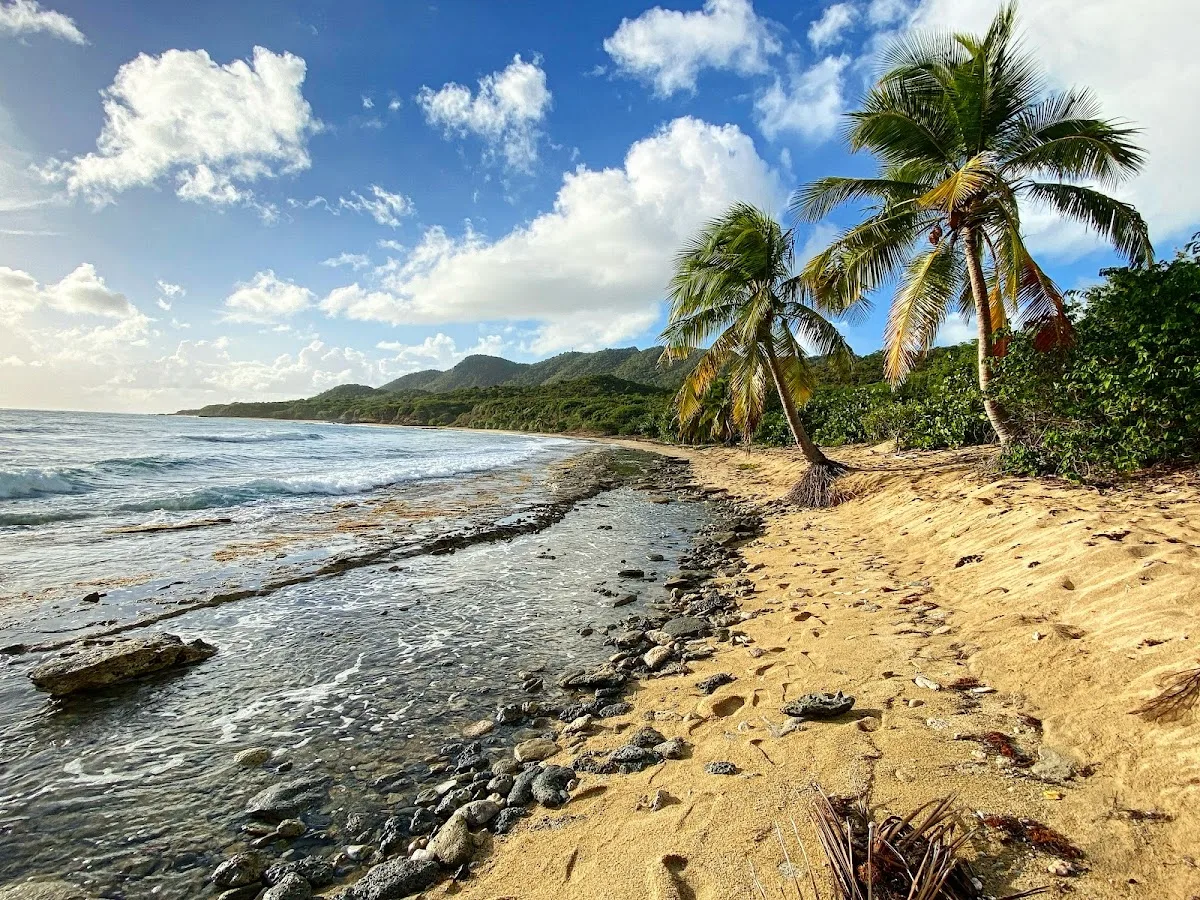
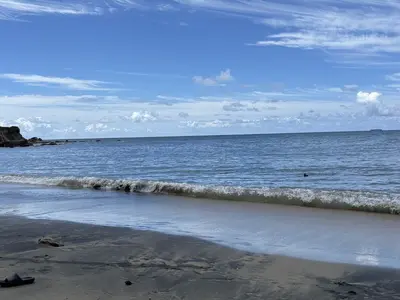
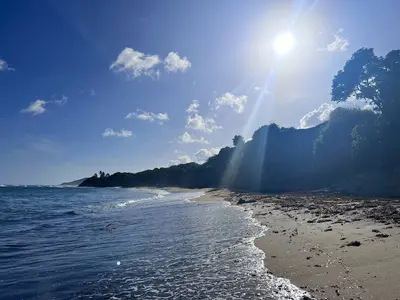
Playa Grande is a secluded beach in Vieques, Puerto Rico, known for scenic views and its secluded atmosphere. A mile-long stretch of coarse golden sand along Vieques' exposed southwest coast, where wild Paso Fino horses sometimes gallop freely along the shoreline. Facilities include parking.
About Playa Grande
A mile-long stretch of coarse golden sand along Vieques' exposed southwest coast, where wild Paso Fino horses sometimes gallop freely along the shoreline. Strong currents and rough surf make swimming dangerous, but the beach is ideal for long scenic walks and wildlife photography. The secluded location requires a 4x4 vehicle to access via unpaved roads, which naturally preserves its undisturbed character and keeps crowds minimal even on weekends.
Visitor Tips
- Do NOT swim here — strong currents and rough surf make the water dangerous. This is a walking and photography beach.
- Bring a high-clearance 4x4 vehicle. Regular rental cars cannot handle the access road and will get stuck.
- Best chances of photographing wild horses are early morning or late afternoon when they come down to the shore.
- Visit during low tide for the widest walking area and the most dramatic shoreline views.
- Pack plenty of water, sunscreen, and snacks — there are zero facilities or vendors anywhere nearby.
Best Time to Visit
Island weather tends to be drier and sunnier than the mainland. Plan your visit strategically to balance favorable conditions with your preferences for crowd levels and photography opportunities.
- December through April (High Season): Best overall weather with clearer skies and dry conditions, though this period brings the most visitors.
- May and November (Shoulder Season): Good weather with fewer crowds—an ideal balance for those seeking both comfort and solitude.
- Early Morning and Late Afternoon: Best light for photography and highest likelihood of spotting wild horses coming down to the sand.
- Low Tide: Provides the widest walking area and most dramatic shoreline views for exploration.
- Year-Round Conditions: Wind can be strong on this exposed southwest coast; avoid midday heat as there is no shade on the beach.
What to Bring
Sun and Skin Protection:
- Reef-safe sunscreen (SPF 30 or higher)—Puerto Rico's tropical sun is intense, especially between 10 AM and 2 PM
- Hat for sun protection
- Reusable water bottle (fill before arrival)
- Portable beach umbrella or pop-up shade tent (highly recommended, as natural shade is limited)
For Fishing and Photography:
- Fishing rod, tackle, and bait (if planning to fish)
- Valid Puerto Rico fishing license
- Cooler for your catch
- Camera with extra battery
- Tripod for sunset shots
- Binoculars for coastal and wildlife viewing
Food and Supplies:
- All meals, snacks, and plenty of water (pack in a cooler—there are no food vendors at or near this beach)
- First aid kit
- Trash bag (pack out all waste)
Critical Safety Items:
- Charged phone with offline maps downloaded (no cell service in this area)
- High-clearance 4x4 vehicle (regular rental cars cannot handle the access road)
History & Background
Playa Grande is located in the municipality of Vieques, an island municipality 8 miles off the southeast coast of Puerto Rico. Vieques was formerly used by the US Navy and has since transformed into a nature and beach destination. As an offshore island, this area offers a distinctly different pace from mainland Puerto Rico, with surrounding waters influenced by both Atlantic and Caribbean currents.
This mile-long stretch of coarse golden sand sits on Vieques' exposed southwest coast. The relative isolation of the area has preserved the natural coastal environment, making it one of the longest continuous beach stretches on the island. Wild Paso Fino horses roam freely along this section and are frequently seen galloping on the sand—a unique wildlife encounter found only on Vieques. The requirement for four-wheel-drive vehicle access over unpaved roads naturally limits crowds and preserves the untouched character of the shoreline.
Nearby Attractions
Playa Grande is situated in Vieques, which offers several attractions beyond the beach itself. The main town, Isabel Segunda, is a short drive away and worth exploring for everyday Puerto Rican town life, local shops, cafes, and a central plaza with a church. Many towns hold weekend markets or festivals throughout the year, particularly during patron saint celebrations (fiestas patronales) featuring live music, food, and cultural performances.
- Mosquito Bay (Bioluminescent Bay)—the brightest bioluminescent bay in the world, well worth a visit if you have extra time
- Sun Bay—another notable beach in the Vieques area
- Media Luna Beach—a different beach character worth exploring if beach-hopping
- Punta Galíndez (townfront area)—coastal access near the town center
- Caracas Beach—additional beach option with unique features
- Local Restaurants and Kiosks (Chinchorros)—serving traditional Puerto Rican fare including fresh seafood, mofongo (mashed plantain with garlic), and tostones (fried plantain slices). Weekend food stalls offer empanadillas, bacalaítos (codfish fritters), and piraguas (shaved ice with fruit syrup) at affordable prices
Local Tips
- Do NOT swim here. Strong currents and rough surf make the water dangerous. This beach is exclusively for walking and photography.
- Best times for horse spotting: Early morning or late afternoon when wild Paso Fino horses come down to the shore for water and grazing.
- Pack supplies before arriving. Zero facilities or vendors exist anywhere nearby—bring plenty of water, sunscreen, snacks, and all food for the day.
- Public beach access is your legal right. The beach zone up to the high-tide mark is public land by law in Puerto Rico, regardless of any adjacent private property or signage suggesting otherwise.
- Leave no trace. Pack out all trash and leave the beach as you found it. Puerto Rico's coastal ecosystems are under pressure from development and climate change, and responsible visitors make a real difference. Between April and November, sea turtles may nest on sandy beaches—if you spot a nest or hatchlings, keep your distance and report it to the DRNA (Department of Natural Resources).
- Learn basic Spanish phrases. Spanish is the primary language in most areas outside San Juan's tourist zones. Phrases like '¿Dónde está la playa?' (Where is the beach?) and 'Gracias' (Thank you) go a long way with locals. Puerto Ricans are generally warm and helpful toward visitors who show respect for the culture and environment.
Frequently Asked Questions
Where is Playa Grande located?
Is Playa Grande good for swimming?
What facilities are available at Playa Grande?
Find beaches with: With Parking
What activities can I do at Playa Grande?
Is there parking at Playa Grande?
What is the best time to visit Playa Grande?
Amenities
Practical Info
Swimming is dangerous here due to strong currents and rough surf. This beach is for walking, photography, and horse-watching only. No lifeguard, no facilities, no cell service. Travel with a charged phone and let someone know your plans.
Planning Your Visit
Similar Beaches


Nearby Beaches

Explore by Activity
Discover More on Puerto Rico Beach Finder
Explore 460+ beaches across the island with filters, maps, and detailed guides.
Explore All Beaches