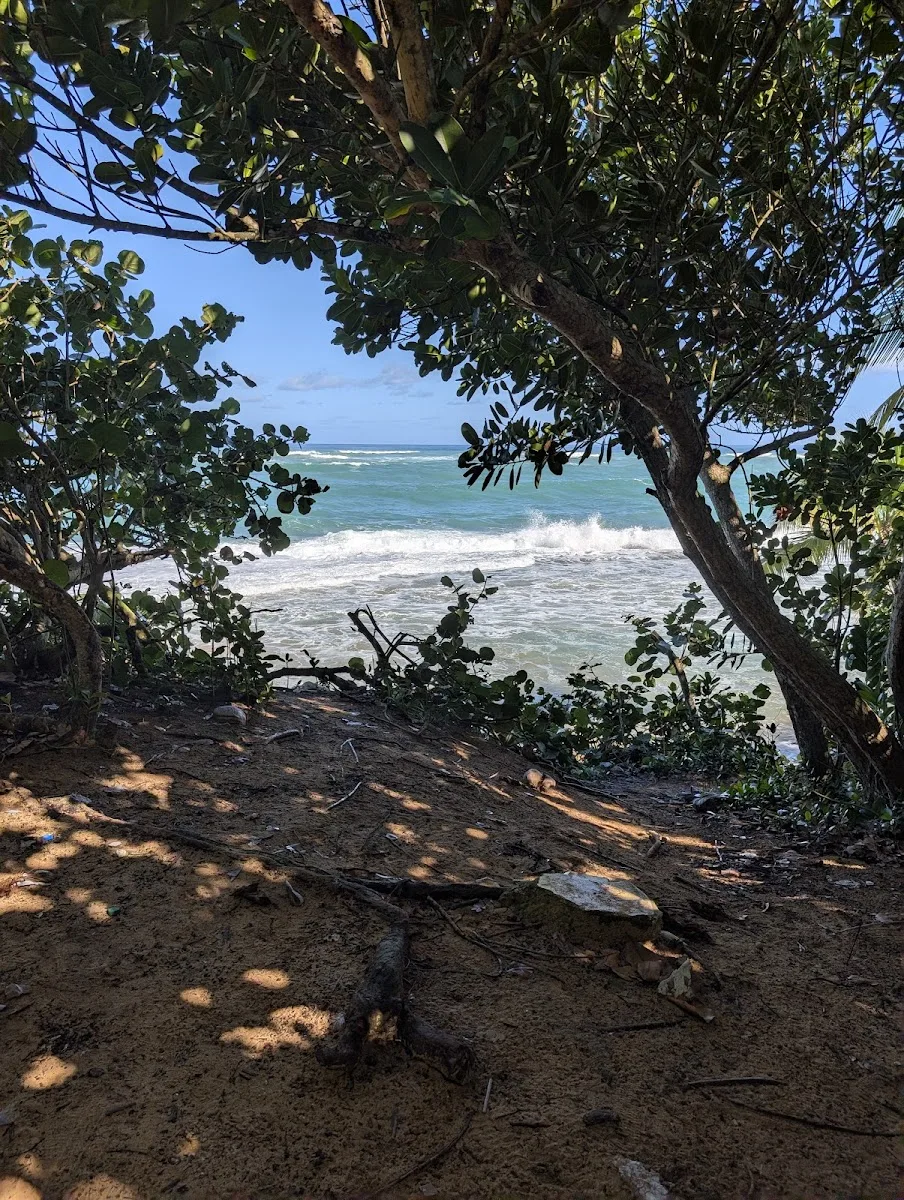
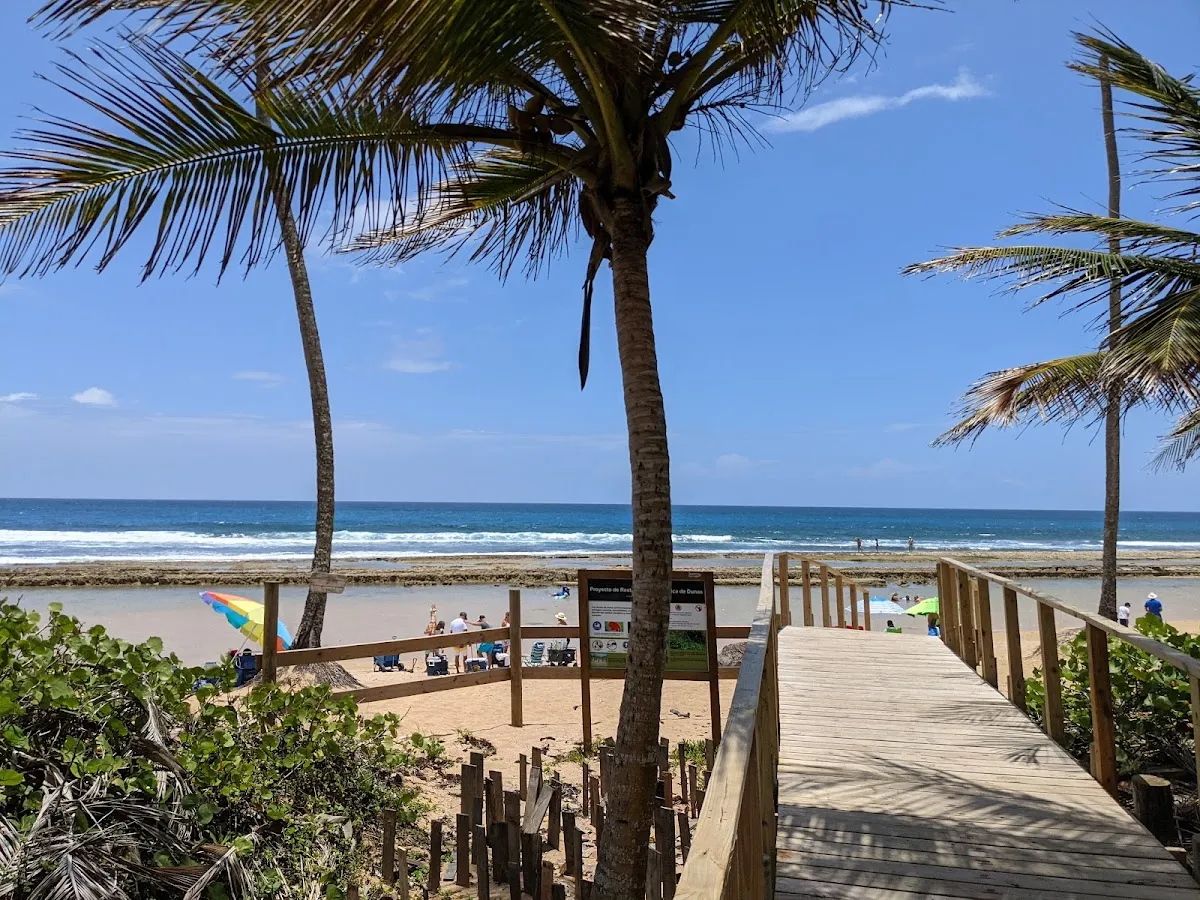
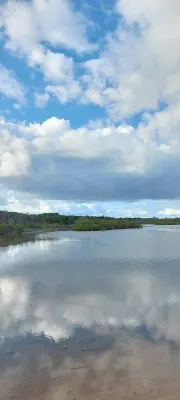
Playa loiza is a secluded beach in Loiza, Puerto Rico, known for scenic views and its secluded atmosphere. A long, undeveloped stretch of coastline along Highway 187 in Loiza, the center of Puerto Rico's Afro-Caribbean culture. Facilities include on-site dining.
- Scenic
- Secluded
- ✓ Food & Drinks
- ✓ Shade/Umbrellas
Short path.
Year-round destination, though the dry season from January through April offers the most reliable weather.
Atlantic-facing beach with moderate to strong currents.
Swim with a buddy and know your limits.
Roadside pulloffs along Highway 187. Free, informal, and unattended. Space is ample on weekdays. Keep valuables hidden.
Ways to experience Playa loiza
Bookable tours and activities at and around this beach.
 Viator photoPopular near this beachOld San Juan & Loiza African Town Full-Day Tour: Minimum 8+peopleImmerse yourself in our fascinating history and rich culture with this experience. Visit the Historical Site of Old San Juan, and one of oldest towns…◷ About 8 hours✓ Free cancellationFrom $145Check availability ↗
 Viator photoPopular near this beachHalf-Day: Old San Juan, Calle Cerra,Santurce, La Placita & LoízaThis tour connects you with the culture, street art, history, and flavors of — all in one unforgettable day. We begin with a drive through Old San…◷ About 5 hours✓ Free cancellationFrom $200Check availability ↗Browse more tours on Viator ↗
We may earn a commission when you book through Viator links, at no extra cost to you.
About Playa loiza
A long, undeveloped stretch of coastline along Highway 187 in Loiza, the center of Puerto Rico's Afro-Caribbean culture. Ample sand and natural shade from coastal vegetation create a lush, tropical atmosphere with virtually no buildings in sight. This Atlantic-facing beach offers genuine solitude and connects visitors to a living cultural tradition of bomba music, mask-making, and traditional cuisine. Nearby Piñones kiosks serve authentic traditional fritters.
Local tips
What to Bring+
Pack essentials based on how you plan to spend your time at Playa Loiza. Since amenities are unavailable, bring all supplies you will need.
- Sun Protection: Reef-safe sunscreen (SPF 30 or higher), a wide-brimmed hat, and sunglasses for Puerto Rico's intense tropical sun (especially between 10 AM and 2 PM)
- Water & Food: A reusable water bottle, snacks, and a full meal or picnic supplies; food vendors are available nearby but bringing your own is recommended
- Swimming: A comfortable swimsuit, goggles, and a towel
- Photography: A camera with extra battery, a tripod for sunset shots, and binoculars for coastal views
- Safety: A first aid kit for minor injuries; the beach has no lifeguard and Atlantic currents can be strong
History & Background+
Playa Loiza is located in the municipality of Loiza on Puerto Rico's north coast, facing the Atlantic Ocean. This stretch experiences consistent trade winds and wave energy that shape the shoreline, with winter months bringing larger swells from the north Atlantic.
Loíza is the center of Puerto Rico's African heritage, and this beach reflects that cultural legacy. The area has deep historical roots, and visiting this beach connects you to a living tradition of bomba music, mask-making, and traditional cuisine dating back centuries. The long, building-free stretch along Highway 187 is one of the few places near San Juan where you can look inland and see no structures.
Coastal vegetation including sea grapes and coconut palms provide natural shade along much of the beach, creating a lush, tropical atmosphere. Whether visited by local families on weekends or travelers discovering the area for the first time, this stretch of shoreline carries the character of its surroundings and the ongoing relationship between coastal communities and the sea.
Nearby Attractions+
Playa Loiza is situated in Loiza, which offers several attractions beyond the beach itself for exploring local culture and cuisine.
- Piñones Kiosks: Roadside food stalls serving the best alcapurrias, bacalaítos (codfish fritters), and empanadillas in Puerto Rico; walk or drive east from the beach to find them
- Traditional Puerto Rican Food: Local restaurants and chinchorros (roadside eateries) serving mofongo (mashed plantain with garlic), tostones (fried plantain slices), fresh seafood, and piraguas (shaved ice with fruit syrup); ask locals for their favorite spot as the best food is often at the least conspicuous establishments
- Loiza Town Center: A central plaza featuring a church, local shops, and cafes—a good place to experience everyday Puerto Rican town life and weekend markets or festivals throughout the year
- Nearby Beaches: Vacia Talega and Playa de Piñones with their own character, worth exploring if you have time for beach hopping
- Festival de Santiago Apóstol: Held in late July, featuring traditional vejigante masks, bomba dancing, live music, food, and cultural performances
Photos
Be the first to add a photo
Recent photos help others recognize the access point, water, and parking setup.
Reviews
No Puerto Rico Beach Finder reviews yet
Share whether access was easy, how the water felt, and what the next person should know.
Planning your visit
Explore by activity
Nearby beaches

Questions
Where is Playa loiza located?
Playa loiza is located in Loiza, Puerto Rico. The exact coordinates are 18.445059, -65.923807. You can use GPS navigation or follow signs to Loiza and look for beach access points.
Is Playa loiza good for swimming?
Yes, Playa loiza is a public beach open for swimming.
What facilities are available at Playa loiza?
Playa loiza offers the following facilities: Food, Shade Structures.
What activities can I do at Playa loiza?
Popular activities at Playa loiza include swimming. The beach is perfect for a day trip from Loiza.
Is there parking at Playa loiza?
Parking near Playa loiza may be limited. It's recommended to arrive early, especially on weekends and holidays.
Similar beaches
Discover more beaches
Explore 400+ beaches across the island with filters, maps, and detailed guides.
Explore all beaches