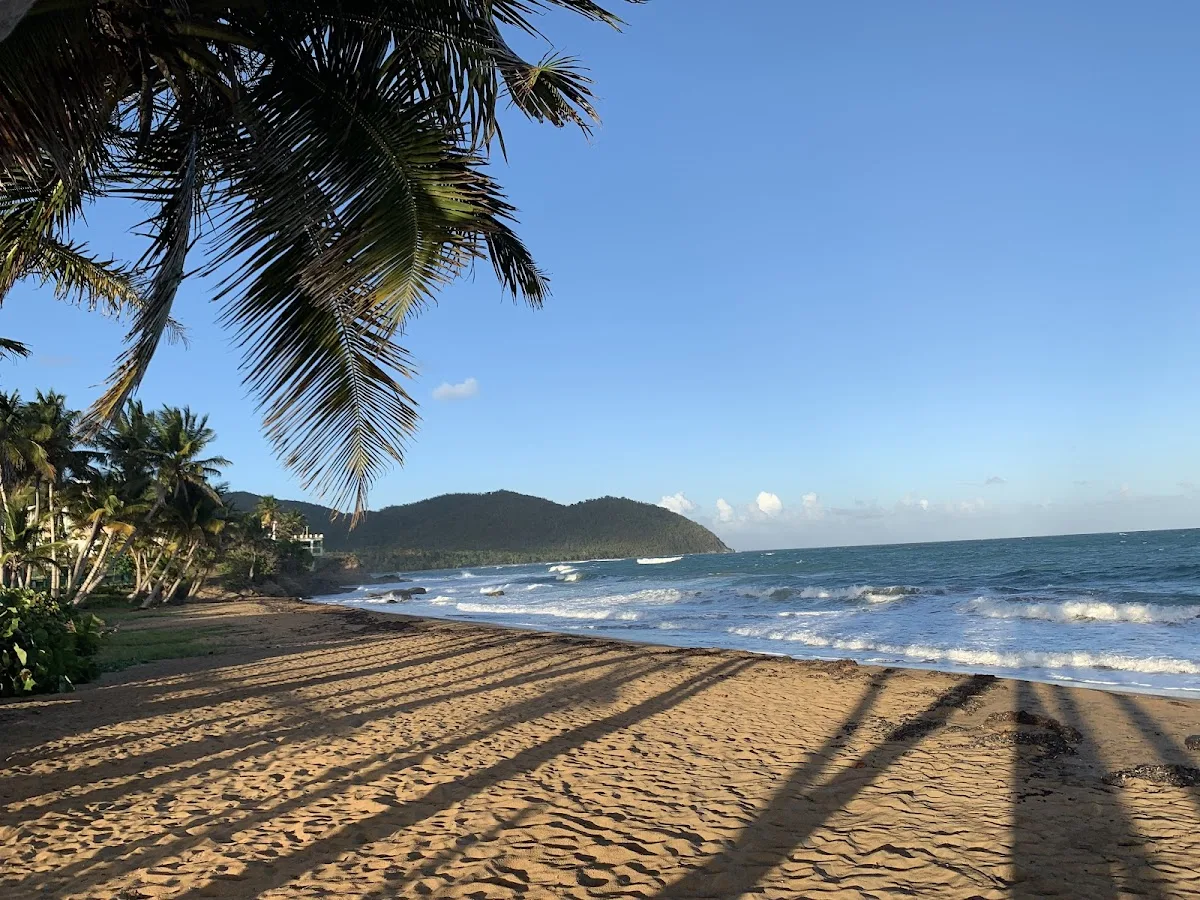
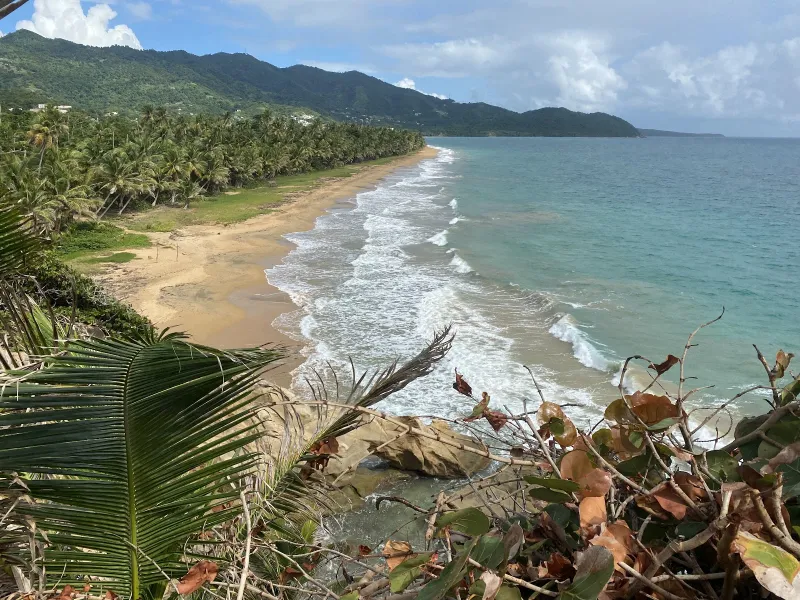
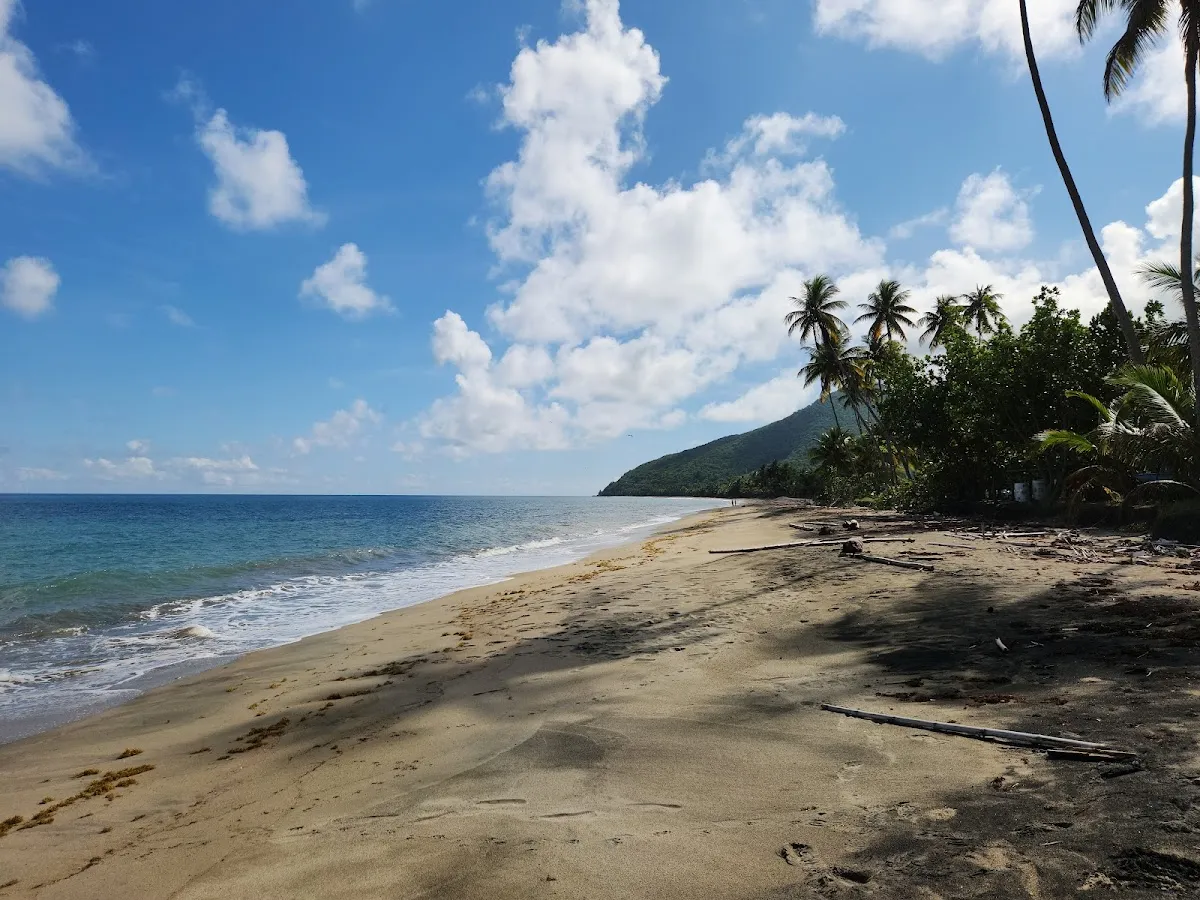
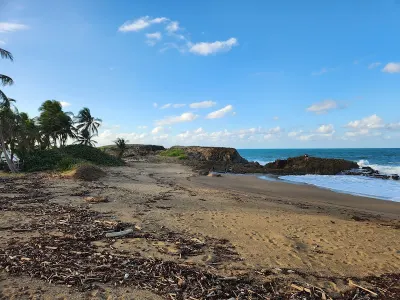
Playa Maunabo is a beach in Maunabo, Puerto Rico, known for scenic views and surfing. Facilities include on-site dining, parking.
- Fishing
- Scenic
- Surfing
- ✓ Food & Drinks
- ✓ Parking
Short path.
Summer months offer somewhat calmer seas suitable for experienced swimmers.
Strong waves and undertow are persistent hazards. This beach is not recommended for children or weak swimmers.
Swim with a buddy and know your limits.
Free parking area near the beach entrance. Adequate space most days, but holiday weekends can fill up by mid-morning.
Ways to experience Playa Maunabo
Bookable tours and activities at and around this beach.
 Viator photoPopular Puerto Rico experiencePrivate: Piñones Beach Buggy Adventure + El Yunque WaterfallsCelebrate unforgettable moments on a private tour exclusively for you and your group, with personal attention from your dedicated guide. Start your…◷ About 6 hours✓ Free cancellationFrom $265Check availability ↗Browse more tours on Viator ↗
We may earn a commission when you book through Viator links, at no extra cost to you.
About Playa Maunabo
Playa Maunabo is the main town beach on Puerto Rico's southeast coast, featuring dramatic views of the iconic Punta Tuna lighthouse perched on the eastern bluff. Strong Atlantic waves and undertow make this beach ideal for experienced surfers and swimmers rather than casual wading. A working fishermen's pier on the western end offers authentic local character, while the scenic mountain backdrop and consistent wave energy create an engaging destination for water sports enthusiasts.
Local tips
What to Bring+
For Fishing:
- Fishing rod and tackle
- Bait
- Cooler for your catch
- Valid Puerto Rico fishing license
For Photography and Scenic Viewing:
- Camera with extra battery
- Tripod for sunset shots
- Binoculars for coastal views
For Surfing:
- Surfboard (shortboard or longboard depending on conditions)
- Rash guard
- Surf wax
- Reef boots if the bottom is rocky
Essential for All Visitors:
- Reef-safe sunscreen (SPF 30 or higher) – Puerto Rico's tropical sun is intense, especially between 10 AM and 2 PM
- Reusable water bottle
- Hat for sun protection
- Portable beach umbrella or pop-up shade tent – highly recommended as natural shade may be limited
- Food and snacks – while food vendors are available nearby and at the beach, bringing your own water and snacks is still recommended
History & Background+
Playa Maunabo is located in Maunabo, Puerto Rico's southeastern corner municipality where the Caribbean and Atlantic waters meet. The dramatic geography of the Sierra de Pandura mountain backdrop influences local weather patterns and creates the distinctive character of this coastal area.
The beach offers direct views of the iconic Punta Tuna lighthouse, perched on the bluff to the east and one of the most photographed landmarks on Puerto Rico's southeast coast. A working fishermen's pier on the western end adds authentic character and provides opportunities to watch local anglers bring in their daily catch of snapper and grouper. The consistent wave energy from the open Atlantic-Caribbean mixing zone makes this beach particularly suited for experienced water sports enthusiasts rather than casual swimmers.
The municipality of Maunabo has deep roots in Puerto Rico's history, and beaches like Playa Maunabo reflect the ongoing relationship between coastal communities and the sea. Whether visited by local families on weekends or travelers discovering the area for the first time, this stretch of shoreline carries the character of its surroundings and the maritime heritage of the region.
Nearby Attractions+
Playa Maunabo is situated in Maunabo, which offers several attractions beyond the beach itself. The area features authentic local dining and cultural experiences worth exploring if you have extra time.
- Punta Tuna Lighthouse – one of three operating lighthouses in Puerto Rico and one of the most photographed landmarks on the southeast coast, well worth a visit if you have extra time.
- Patillas – neighboring area worth exploring and a short drive away from Maunabo.
- Local restaurants and roadside kiosks (chinchorros) – serving traditional Puerto Rican fare including fresh seafood, mofongo (mashed plantain with garlic), and tostones (fried plantain slices).
- Weekend food stalls – selling empanadillas, bacalaítos (codfish fritters), and piraguas (shaved ice with fruit syrup) at affordable prices. Ask locals for their favorite spot, as the best food is often at the least conspicuous establishments.
- Food vendors at the beach – available at or near the beach itself for grabbing a bite without leaving the sand.
- Other beaches in the Maunabo area – including Playa Punta Tuna (Lighthouse), Playa California, and Emajaguas Beach House, each with different character worth exploring if you have time for beach hopping.
- Maunabo town center – typically features a central plaza with a church, local shops, and cafes, a good place to experience everyday Puerto Rican town life. Many towns hold weekend markets or festivals throughout the year, particularly during patron saint celebrations (fiestas patronales) featuring live music, food, and cultural performances.
Photos
Be the first to add a photo
Recent photos help others recognize the access point, water, and parking setup.
Reviews
No Puerto Rico Beach Finder reviews yet
Share whether access was easy, how the water felt, and what the next person should know.
Planning your visit
Explore by activity
Nearby beaches
Questions
Where is Playa Maunabo located?
Playa Maunabo is located in Maunabo, Puerto Rico. The exact coordinates are 17.989412, -65.886551. You can use GPS navigation or follow signs to Maunabo and look for beach access points.
Is Playa Maunabo good for swimming?
Yes, Playa Maunabo is a public beach open for swimming. Note that this beach is known for surfing conditions, so waves can be strong.
What facilities are available at Playa Maunabo?
Playa Maunabo offers the following facilities: Food, Parking.
What activities can I do at Playa Maunabo?
Popular activities at Playa Maunabo include swimming, surfing, fishing. The beach is perfect for a day trip from Maunabo.
Is there parking at Playa Maunabo?
Yes, Playa Maunabo has parking available.
Similar beaches
Discover more beaches
Explore 400+ beaches across the island with filters, maps, and detailed guides.
Explore all beaches