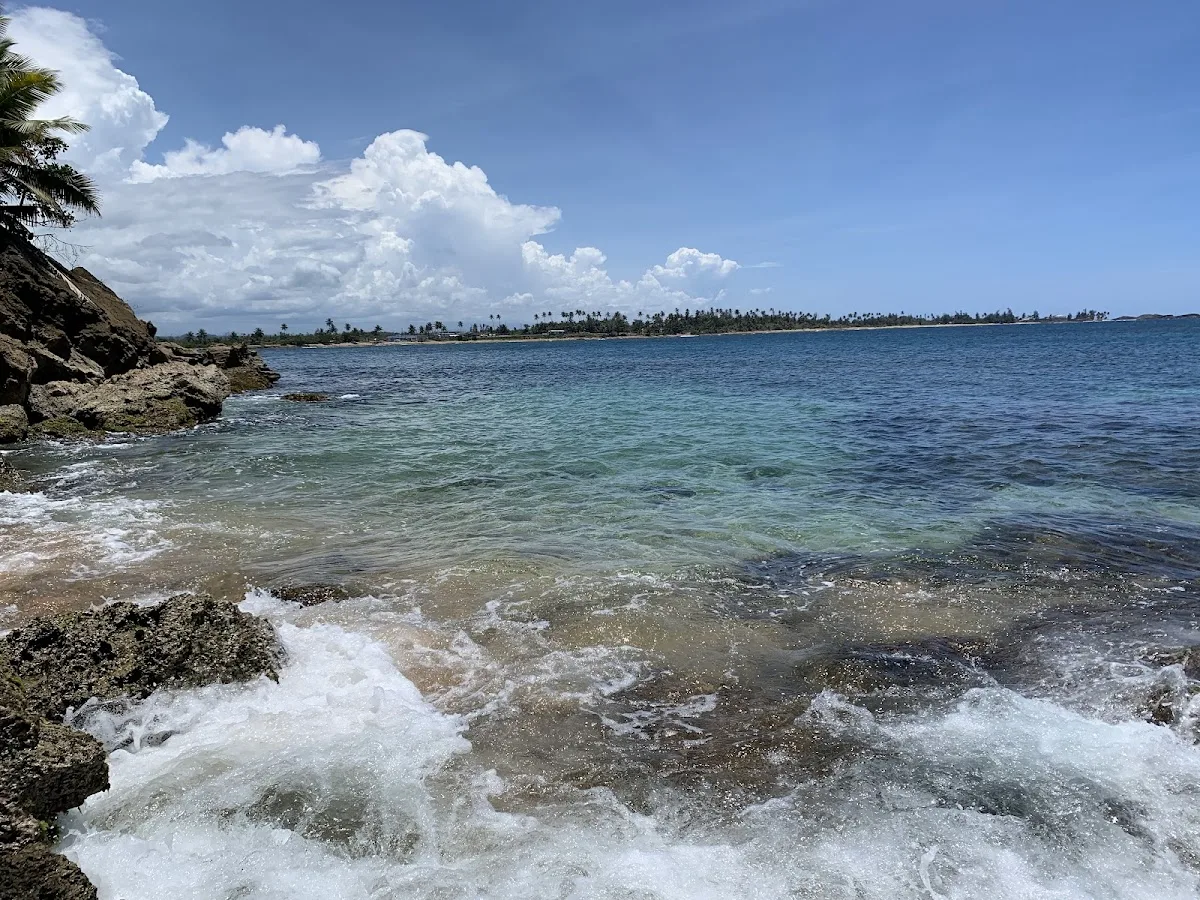
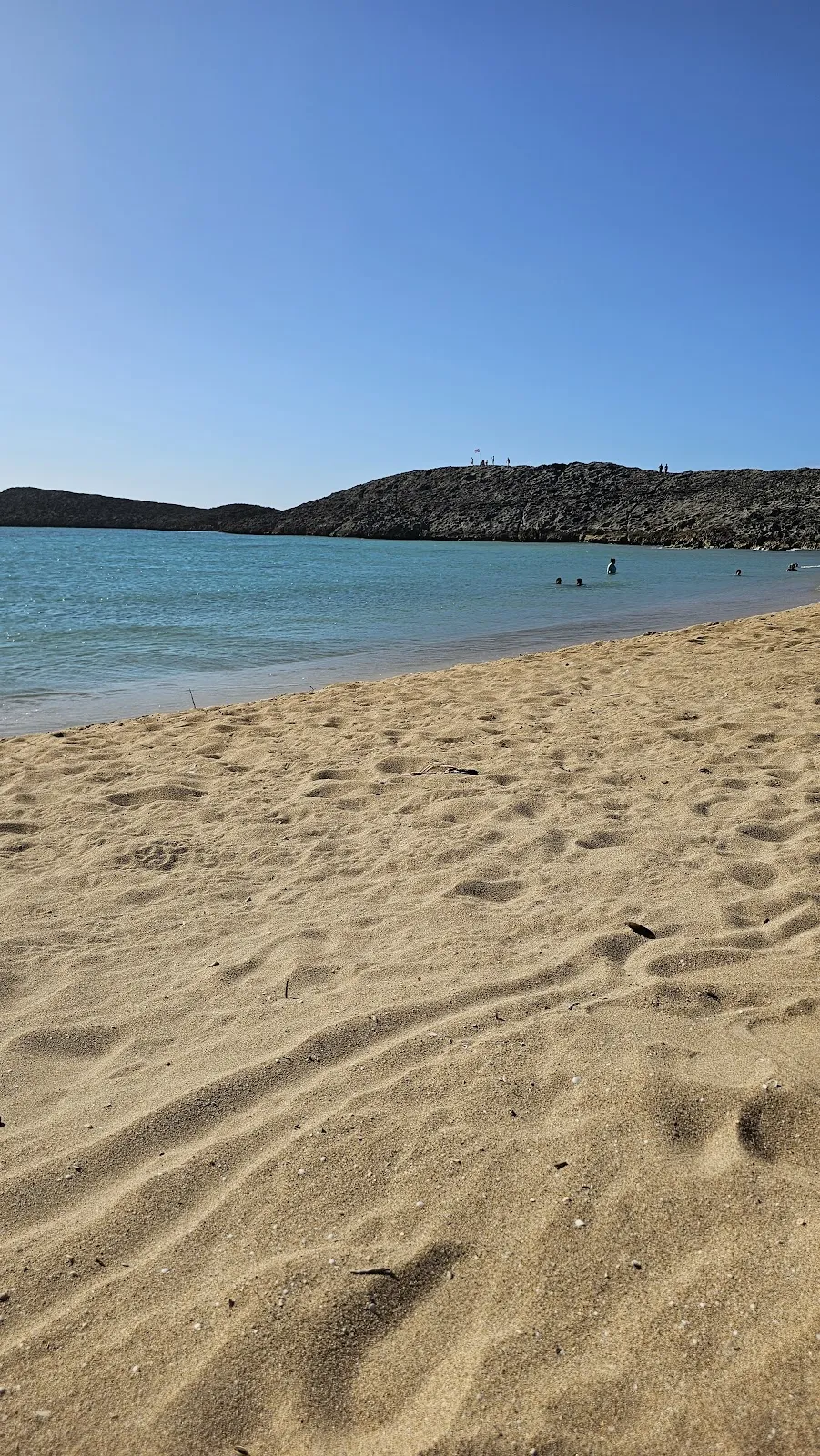
Punta Cibuco Beach is a secluded beach in Vega Baja, Puerto Rico, known for scenic views and its secluded atmosphere. A remote, undeveloped beach in Vega Baja accessible by foot from Cerro Gordo along a 2.
- Scenic
- Secluded
Difficult hike.
Best visited during the dry season from December through April when the river crossing is shallower and trail…
Difficult hike.
This is a remote, completely undeveloped location with zero facilities, no cell service, and no other visitors on most days.
Swim with a buddy and know your limits.
Park at Balneario Cerro Gordo in Vega Baja, which has a paved lot with space for dozens of vehicles and a small entry fee. The 2.5-mile trail to Punta Cibuco begins at the western end of Cerro Gordo beach past the last picnic shelters. Make sure to note the balneario closing time so your car is not locked in.
Bring water, shade, and food for the day.
Ways to experience Punta Cibuco Beach
Bookable tours and activities at and around this beach.
 Viator photoPopular near this beachSan Juan: Small-Group Snorkeling Experience with PickupDon't let other companies fool you! Transportation, entrance fees and gear are included in our price! Book with us, save money and feel relief!…✓ Free cancellation✓ Gear includedFrom $94Check availability ↗Browse more tours on Viator ↗
We may earn a commission when you book through Viator links, at no extra cost to you.
About Punta Cibuco Beach
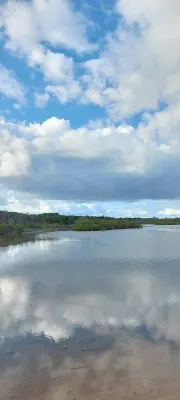
A remote, undeveloped beach in Vega Baja accessible by foot from Cerro Gordo along a 2.5-mile coastal trail through the Bosque Cibuco nature reserve. The beach is typically empty, offering one of Puerto Rico's few truly solitary coastal experiences. Expect to cross a river and navigate rocky shoreline to reach this scenic, secluded swimming destination on the Atlantic-facing north coast.
Local tips
What to Bring+
Sun and hydration essentials:
- Reef-safe sunscreen (SPF 30 or higher) – Puerto Rico's tropical sun is intense, especially between 10 AM and 2 PM
- Reusable water bottle – carry at least 2 liters per person
- Hat or cap for sun protection
- Portable beach umbrella or pop-up shade tent – natural shade is limited
Swimming and water gear:
- Comfortable swimsuit and towel
- Water shoes or sandals with straps for the river crossing and rocky sections
- Goggles for ocean swimming
Food and supplies:
- All meals, snacks, and water in a cooler – there are no food vendors at or near this beach
- First aid kit – no facilities or services available
Optional items:
- Camera with extra battery and tripod for scenic and sunset photography
- Binoculars for coastal views and wildlife
Critical reminders: This is a remote, completely undeveloped location with zero facilities, no cell service, and typically no other visitors. Tell someone your plans before you go. Atlantic currents are unpredictable – swim cautiously, stay close to shore, and never enter the water alone. The river crossing can be waist-deep after rain with a current that varies with recent precipitation. Rocky shoreline sections require careful footing as loose stones shift underfoot.
History & Background+
Punta Cibuco Beach is located in Vega Baja, a north coast municipality known as the Melting Pot City. This stretch of Puerto Rico's north coast faces the Atlantic Ocean, where trade winds generate consistent swells and currents that shape the shoreline. The northern coast experiences more wave energy than the south, with winter months bringing larger swells from the north Atlantic.
Reaching the beach requires a 2.5-mile hike from Cerro Gordo along a coastal trail through the Bosque Cibuco nature reserve, crossing a river and rocky shoreline. The beach sits within this nature reserve providing habitat for native birds, crabs, and coastal vegetation, with forest canopy along the trail offering intermittent shade. The difficulty of access means this beach is almost always empty, providing one of the few truly solitary coastal experiences on the north coast of Puerto Rico.
The municipality of Vega Baja has deep roots in Puerto Rico's history, and beaches like Punta Cibuco reflect the ongoing relationship between coastal communities and the sea, carrying the character of its natural surroundings and wild Atlantic shores.
Nearby Attractions+
Punta Cibuco Beach is situated in Vega Baja, which offers several attractions beyond the beach itself. The area is rich in natural reserves, local culture, and traditional Puerto Rican dining experiences. Beach hopping is possible if you have time to explore different stretches of the north coast.
- Puerto Nuevo Beach and Tortuguero Lagoon Nature Reserve – a major draw in the area worth visiting if you have extra time
- Vega Alta – the neighboring area, a short drive away worth exploring
- Playa Puerto Nuevo (south lagoon edge), Las Positas Del Lido, and Ojo de Agua Beach – other beaches in the Vega Baja area, each with different character for beach hopping
- Vega Baja town center – typically features a central plaza with a church, local shops, and cafes for experiencing everyday Puerto Rican town life
- Local restaurants and roadside kiosks (chinchorros) – serving fresh seafood, mofongo (mashed plantain with garlic), tostones (fried plantain slices), empanadillas, bacalaítos (codfish fritters), and piraguas (shaved ice with fruit syrup)
- Weekend markets and fiestas patronales – patron saint celebrations featuring live music, food, and cultural performances throughout the year
Photos
Be the first to add a photo
Recent photos help others recognize the access point, water, and parking setup.
Reviews
No Puerto Rico Beach Finder reviews yet
Share whether access was easy, how the water felt, and what the next person should know.
Planning your visit
Explore by activity
Nearby beaches

Questions
Where is Punta Cibuco Beach located?
Punta Cibuco Beach is located in Vega Baja, Puerto Rico. The exact coordinates are 18.489189, -66.378152. You can use GPS navigation or follow signs to Vega Baja and look for beach access points.
Is Punta Cibuco Beach good for swimming?
Yes, Punta Cibuco Beach is a public beach open for swimming.
What facilities are available at Punta Cibuco Beach?
Punta Cibuco Beach is a natural beach. Facilities may be limited, so consider bringing your own supplies.
What activities can I do at Punta Cibuco Beach?
Popular activities at Punta Cibuco Beach include swimming. The beach is perfect for a day trip from Vega Baja.
Is there parking at Punta Cibuco Beach?
Parking near Punta Cibuco Beach may be limited. It's recommended to arrive early, especially on weekends and holidays.
Similar beaches
Discover more beaches
Explore 400+ beaches across the island with filters, maps, and detailed guides.
Explore all beaches