Punta Jorobado Beach Guanica, Puerto Rico
At a Glance
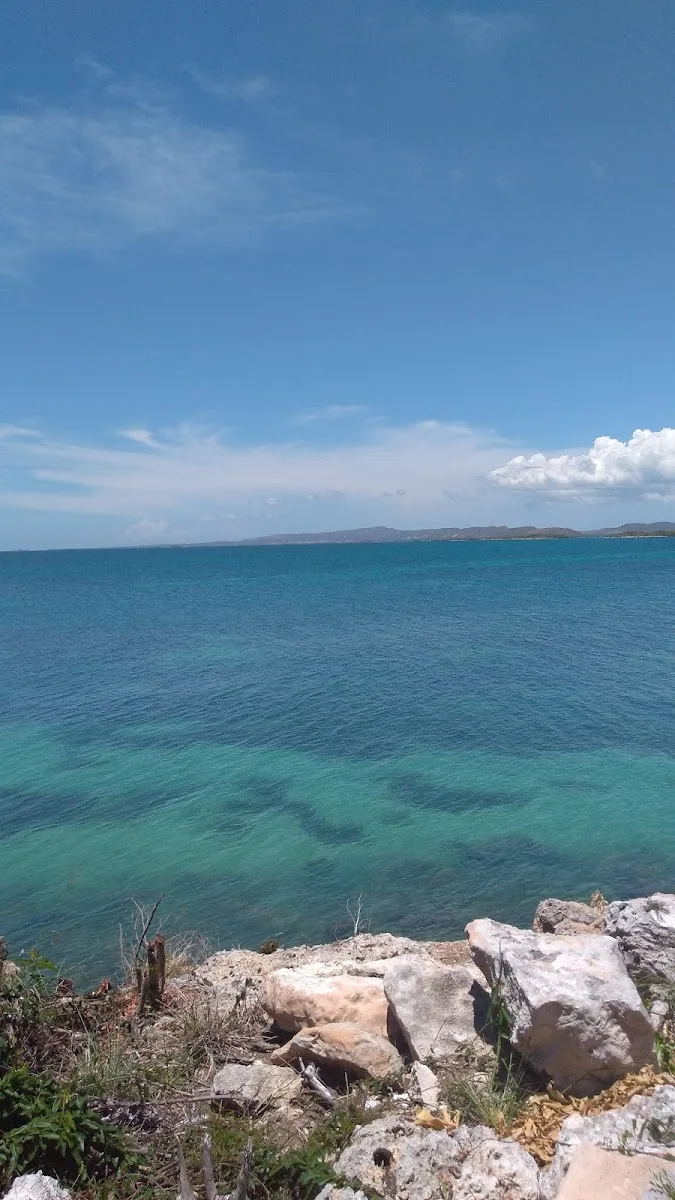
Punta Jorobado Beach is a secluded beach in Guanica, Puerto Rico, known for scenic views and its secluded atmosphere. An unmaintained public beach on a rugged cape in Guánica, accessed via a challenging dirt road off Highway 325.
About Punta Jorobado Beach
An unmaintained public beach on a rugged cape in Guánica, accessed via a challenging dirt road off Highway 325. The exposed shoreline offers variable water conditions and minimal amenities, making it ideal for adventurous visitors seeking raw, undeveloped coastline. Popular with experienced fishermen and those drawn to secluded, scenic natural settings away from developed beaches.
Visitor Tips
- Water conditions vary with exposure — check the surf forecast before swimming.
- Bring everything: water, food, shade, first aid. There are zero facilities here.
- A high-clearance vehicle is recommended — the dirt road is rough, especially after rain.
- Dry season (December-April) ensures the access road is passable and conditions are calmest.
- Tell someone your plans before visiting — cell service is unreliable in this remote area.
Best Time to Visit
The dry season from December through April is the best time to visit Punta Jorobado. The dirt access road becomes difficult or impassable after significant rainfall, with ruts and muddy sections that can trap vehicles without adequate ground clearance. Guánica's south coast receives considerably less rain than the north coast year-round, with annual rainfall averaging about 30 inches compared to over 60 inches in San Juan.
- Morning visits are advisable—wind tends to be lighter before noon, creating calmer nearshore conditions for fishing or wading, and the sun angle is more tolerable.
- Early morning and late afternoon are best for fishing, when fish are more actively feeding in the shallows around the point.
- Full and new moon phases bring stronger tidal movement that experienced shore fishermen associate with better catches along this stretch.
- Year-round, the exposed cape has no shade structures and sparse dry-forest vegetation, so sun protection is always essential.
What to Bring
Self-reliance is the theme for Punta Jorobado. There are no facilities of any kind—no water, no restrooms, no shade structures, no vendors. Bring everything you need and plan to take everything back out.
- Water—Bring at least two liters per person, more if you plan to stay for several hours. The combination of sun exposure, wind, and physical activity causes dehydration faster than visitors expect in this dry, exposed environment.
- Fishing gear (if fishing)—Bring your own equipment. Spinning rods in medium to medium-heavy action work well for shore fishing opportunities here, which include snook, tarpon, and various reef species. Circle hooks reduce harm to undersized fish.
- Sturdy footwear—Non-negotiable. The shoreline alternates between rocky sections, loose coral rubble, and narrow sandy patches. Hiking sandals or water shoes with good soles protect your feet while allowing you to wade. Standard flip-flops are inadequate.
- Sun protection—Sunscreen, a hat, and sunglasses are essential. There is virtually no shade along the cape. Bring a lightweight long-sleeve shirt for extended sun protection.
- First aid kit—Basic wound care supplies are practical given the rocky environment and remote location.
History & Background
Punta Jorobado Beach occupies a cape on the southern coast of Guánica, a municipality with singular historical significance as the site of the American military landing during the Spanish-American War on July 25, 1898. US forces under General Nelson Miles came ashore at Guánica Bay, just a few miles east of Punta Jorobado, beginning the campaign that would transfer Puerto Rico from Spanish to American sovereignty.
The name "Jorobado" translates to "hunchback," a descriptive reference to the rounded profile of the cape as seen from the sea. This naming convention was common among Spanish sailors and fishermen navigating Puerto Rico's southern coast during the colonial era. Guánica's coastline sits within the rain shadow of Puerto Rico's central mountain range, creating a dry climate that supports the Bosque Seco de Guánica (Guánica Dry Forest), a UNESCO Biosphere Reserve with scrubby thorn forest, cacti, and drought-adapted plants.
The Taíno people inhabited the Guánica area, as evidenced by archaeological findings in caves and coastal sites throughout the municipality. Punta Jorobado remains essentially undeveloped today, representing the stretches of Puerto Rican coastline that have been left largely untouched by commercial development, neither formally protected nor significantly altered.
Nearby Attractions
Several nearby attractions offer alternatives or complementary experiences to Punta Jorobado's remote coastline.
- Bosque Seco de Guánica (Guánica Dry Forest)—A UNESCO Biosphere Reserve protecting the best-preserved subtropical dry forest in the Caribbean. Trails wind through a landscape of cacti, gumbo-limbo trees, and endemic species, including the critically endangered Puerto Rican nightjar. Main entrance on PR-334 is about 15 minutes from Punta Jorobado.
- Gilligan's Island (Cayo Aurora)—A small mangrove-fringed cay just offshore near the San Jacinto dock with calm, shallow water ideal for wading and basic snorkeling. Boat service runs regularly on weekends and intermittently on weekdays.
- Playa Santa—About 10 minutes east along the coast, offering more developed beach amenities with a restaurant, calmer swimming conditions, and weekend crowds. Mary Lee's by the Sea serves seafood in a casual waterfront setting.
- Guánica town center—About 20 minutes north on PR-325, with a small plaza featuring local restaurants serving comida criolla.
- Balneario de Caña Gorda Beach—Further east on PR-333, providing a public beach with lifeguards, restrooms, and full amenities as a fallback if conditions at Punta Jorobado prove too rough.
Local Tips
- Check the road condition before committing to the drive. If it has rained recently in the Guánica area, the dirt road may be washed out or impassable. Ask at a gas station or local business in Guánica town before heading to the point—locals know the current state of the access road better than any app.
- Swim with extreme caution. The water at Punta Jorobado is not a protected swimming area; the open Caribbean coastline can have variable currents, and the uneven rocky bottom makes it difficult to find secure footing. Wading and shore fishing are safer activities than open-water swimming at this location. Never swim alone.
- Bring a full tank of gas. The nearest gas stations are in the Guánica town area, and you do not want to run low while navigating the dirt road. Cell phone reception on the cape is unreliable, making it difficult to call for roadside assistance.
- Be aware of local wildlife. The Puerto Rican racer snake (non-venomous) is occasionally seen near the coast, and feral cats and mongooses inhabit the scrubland. None pose serious threats, but awareness prevents startled encounters.
- Have a fallback plan. If you arrive and find conditions unfavorable—rough water, impassable road, or too much exposure—the nearby Caña Gorda Beach provides a comfortable alternative with full facilities just 15 minutes away.
Frequently Asked Questions
Where is Punta Jorobado Beach located?
Is Punta Jorobado Beach good for swimming?
What facilities are available at Punta Jorobado Beach?
What activities can I do at Punta Jorobado Beach?
Is there parking at Punta Jorobado Beach?
What is the best time to visit Punta Jorobado Beach?
Practical Info
No lifeguard, no facilities, and limited cell service. The unprotected shoreline can have unpredictable currents and wave action. Never swim alone here. The rocky cape requires careful footing. Bring sturdy shoes for the approach and water shoes for entering the water.
Planning Your Visit
Similar Beaches


Nearby Beaches


Explore by Activity
Discover More on Puerto Rico Beach Finder
Explore 460+ beaches across the island with filters, maps, and detailed guides.
Explore All Beaches