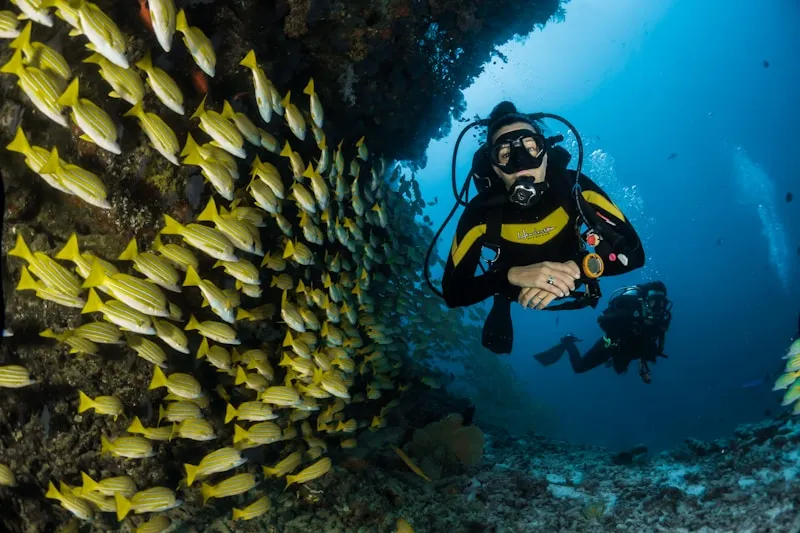
Puerto Rico offers world-class snorkeling with pristine coral reefs, abundant marine life, and crystal-clear Caribbean waters. From the protected reefs of Culebra to the underwater landscapes of Vieques, snorkeling here reveals a vibrant underwater world accessible to beginners and experts alike. This guide covers everything you need for unforgettable snorkeling experiences.
Deciding where to go? See the ranked list of the best snorkeling beaches in Puerto Rico — this guide covers gear, technique, and safety for once you get there.
Why Puerto Rico for Snorkeling?
- Year-round warm water (78-85°F) requires no wetsuit
- Excellent visibility often 50-100+ feet in clear conditions
- Protected reefs at Culebra National Wildlife Refuge
- Abundant marine life including sea turtles, rays, tropical fish
- Easy shore access at many beaches—no boat needed
- Diverse environments from shallow reefs to deeper walls
Essential Snorkeling Equipment
Mask
Proper fit is critical. Test mask by pressing to face without using strap—it should stay on by suction. Common mistakes: choosing based on color rather than fit, buying masks that leak, or using old masks with deteriorated silicone.
Snorkel Tube
Simple is better. Avoid complex designs with multiple valves that can fail. A basic J-shaped tube with a comfortable mouthpiece works best. Purge valves at the bottom help clear water.
Fins
Full-foot vs adjustable. Full-foot fins are lighter and better for warm water snorkeling. Adjustable fins work with booties for rocky entries. Longer fins provide more power but require stronger legs.
Additional Gear
- Rash guard or wetsuit top - Protects from sun and jellyfish
- Anti-fog solution - Prevents mask fogging (or use toothpaste/spit)
- Snorkel vest - Adds buoyancy and safety for weak swimmers
- Waterproof camera - Capture underwater memories
- Mesh gear bag - Allows equipment to drain and dry
Snorkeling Techniques
For Beginners
- Start in shallow, calm water to practice before venturing deeper
- Adjust mask strap snug but not too tight (causes leaks)
- Breathe slowly through mouth keeping snorkel above water
- Relax and float face-down to conserve energy
- Clear water from snorkel by exhaling forcefully or using purge valve
- Equalize ears if diving below surface by pinching nose and gentle blowing
Advanced Tips
- Use efficient flutter kick keeping legs mostly underwater
- Duck dive to explore deeper: point head down, lift legs vertical for downward momentum
- Control buoyancy by adjusting lung volume (fuller lungs = more buoyant)
- Scan slowly side to side rather than swimming quickly past features
- Look under ledges and in crevices where shy creatures hide
Top 10 Spots
1. Surfer’s Beach
Aguadilla
2. Wilderness
Aguadilla
3. Crash Boat South (Almirante Beach)
Aguadilla
4. Peña Blanca (Wishing Well)
Aguadilla
5. Gas Chambers
Aguadilla
Marine Life You'll Encounter
Common Fish Species
- • Parrotfish (rainbow colors, “beak” mouth)
- • Blue Tang (bright blue, “Dory” fish)
- • French Angelfish (black/yellow stripes)
- • Sergeant Major (black vertical stripes)
- • Stoplight Parrotfish (males: green/pink/blue)
Special Encounters
- • Green Sea Turtles (common, surface to breathe)
- • Southern Stingrays (often buried in sand)
- • Octopus (masters of camouflage)
- • Eagle Rays (occasional, graceful swimmers)
- • Nurse Sharks (harmless, rest under ledges)
Safety Guidelines
- Always snorkel with a buddy - Never go alone
- Check conditions before entering - Avoid strong currents, high surf
- Stay aware of boat traffic - Use dive flag if swimming far from shore
- Don't touch coral or marine life - Protects you and ecosystem
- Watch for rip currents - Swim parallel to shore to escape
- Use reef-safe sunscreen - Protects coral health
- Know your limits - Don't venture into deep water if uncomfortable
- Exit before exhaustion - Conserve energy for return swim
Frequently Asked Questions
What are the best beaches for snorkeling in Puerto Rico?
Top snorkeling beaches include Flamenco and Tamarindo (Culebra), Carlos Rosario (Culebra), Seven Seas (Fajardo), Crash Boat (Aguadilla), and beaches on Vieques. These offer healthy coral reefs, clear water, and abundant marine life close to shore.
Do I need to bring my own snorkel gear to Puerto Rico?
While you can rent equipment ($10-15/day) at popular beaches, bringing your own mask and snorkel ensures proper fit and hygiene. Consider packing compact travel snorkel sets and renting fins on-island if luggage space is limited.
What marine life will I see snorkeling in Puerto Rico?
Expect to see colorful tropical fish (parrotfish, angelfish, tangs), sea turtles, stingrays, small reef sharks, octopus, and vibrant coral formations. Lucky snorkelers may spot eagle rays or dolphin pods.
Is snorkeling safe for beginners in Puerto Rico?
Yes! Many beaches have calm, shallow reef areas perfect for beginners. Start at beaches with lifeguards like Luquillo or Seven Seas. Practice in shallow water before venturing deeper, and always snorkel with a buddy.
When is the best time to snorkel in Puerto Rico?
Year-round snorkeling is excellent due to warm water (78-85°F). Best conditions are typically morning (8-11 AM) when water is calmest and visibility highest. Avoid snorkeling after heavy rain when runoff reduces visibility.
Find Snorkeling Beaches
Browse beaches with excellent snorkeling to plan your underwater adventure.
View Snorkeling BeachesMap View
List ViewBook these experiences
Handpicked tours that pair with this guide. Booking happens on Viator.
 San Juan Guided Turtle Snorkel Tour and Complimentary VideosSwim the Escambrón reef with sea turtles on a guided small-group tour; gear and video clips included.Meet at Escambrón → Reef · About 1 hr 30 minFrom $39★ 4.9 (18,737)Check availability →
 San Juan: Small-Group Snorkeling Experience with PickupA guided small-group snorkeling session that meets right at Escambrón Beach.Meet at Escambrón → Reef · About 2 hoursFrom $94★ 4.3 (61)Check availability →
 Rincon Snorkeling AdventureA shore-entry small-group tour through the marine reserve with a certified guide.Rincón → Tres Palmas reef · Up to 3 hoursFrom $69★ 4.8 (270)Check availability →
 Culebra Snorkel and Beach Day with Lunch and DrinksA full boat day from Fajardo with snorkeling stops, lunch, drinks and beach time.Fajardo → Culebra · About 6 hoursFrom $139★ 4.6 (426)Check availability →
We may earn a commission when you book through Viator links, at no extra cost to you.