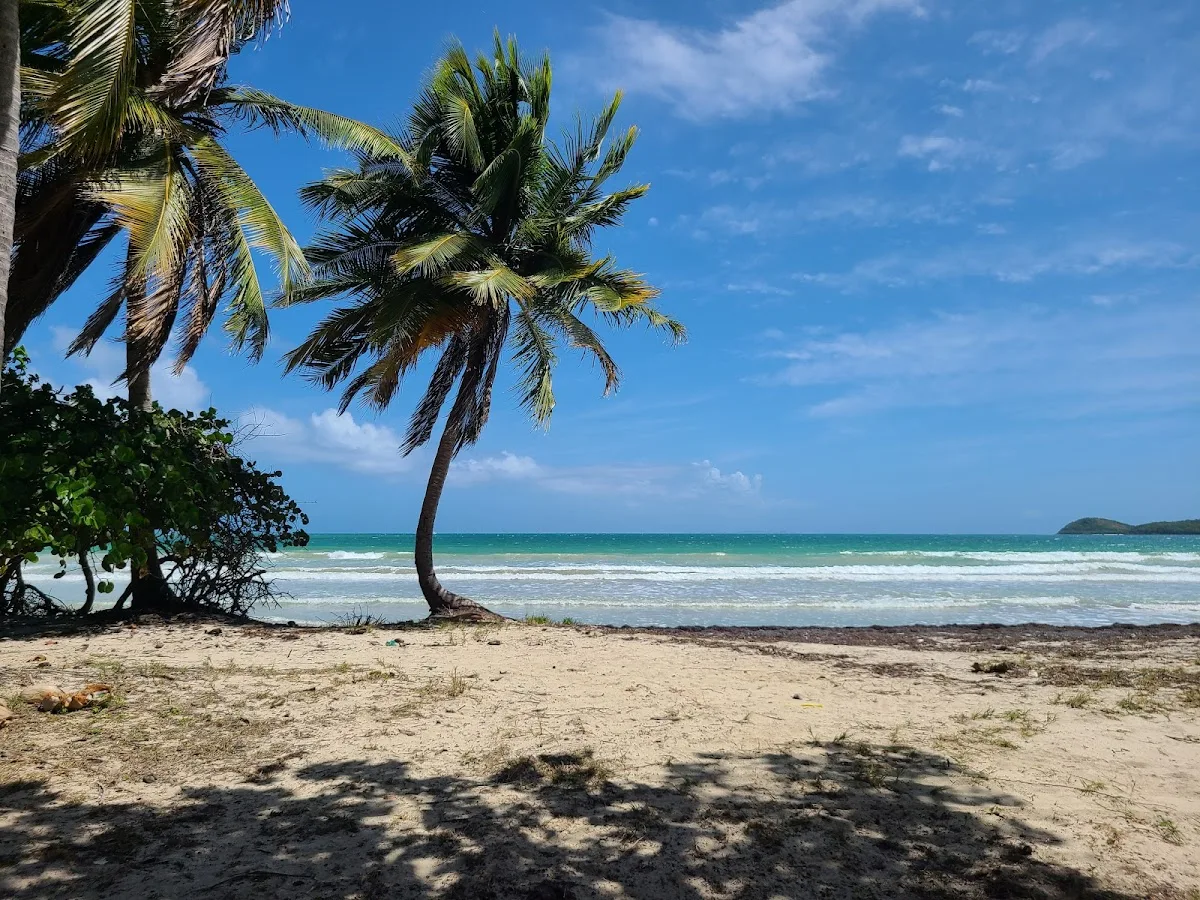
Macho Beach is a family-friendly beach in Ceiba, Puerto Rico, known for calm waters and families. A tranquil, family-friendly beach in Ceiba near the former Roosevelt Roads naval base, part of the Medio Mundo and Daguao Nature Reserve. Facilities include parking.
- Scenic
- ✓ Parking
- ✓ Picnic Areas
- ✓ Shade/Umbrellas
Short path.
Year-round calm conditions prevail thanks to the sheltered eastern coastline and protective geography of the f…
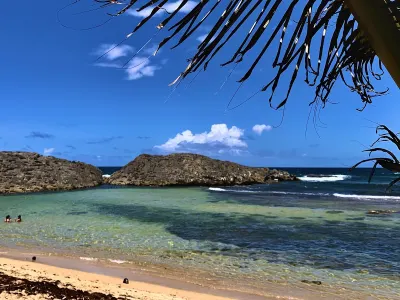
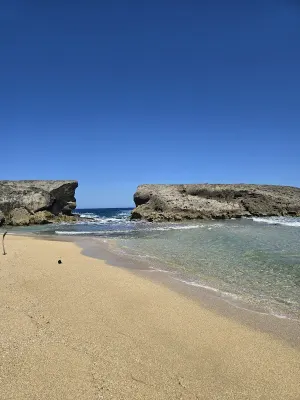
Shallow, calm waters are safe for children and inexperienced swimmers throughout most of the year, making this an excellent family destination.
Swim with a buddy and know your limits.
Free paved parking lot at the beach entrance with space for approximately 30 vehicles. The gazebos and picnic areas are positioned close to the parking area, making it easy to transport coolers, grills, and beach gear. The lot rarely fills except on major holiday weekends like Fourth of July and Semana Santa.
Ways to experience Macho Beach
Bookable tours and activities at and around this beach.
 Viator photoPopular near this beachIcacos All-Inclusive Private Boat Tour - Special Rate for GroupsWe offer you a wide variety of snacks and beverages, including sandwiches, chips, bottled water, alcoholic drinks, and local favorites, ensuring all…◷ About 4 hours✓ Free cancellationFrom $545Check availability ↗Browse more tours on Viator ↗
We may earn a commission when you book through Viator links, at no extra cost to you.
About Macho Beach
A tranquil, family-friendly beach in Ceiba near the former Roosevelt Roads naval base, part of the Medio Mundo and Daguao Nature Reserve. Macho Beach features calm shallow waters ideal for swimming, seagrass beds that serve as sea turtle nesting grounds, and excellent amenities including covered gazebos with barbecue grills, picnic areas, and free parking. Located on Puerto Rico's east coast where the Atlantic and Caribbean converge, this scenic destination offers a peaceful escape with opportunities for wildlife observation.
Local tips
What to Bring+
Sun and Shade Protection:
- Reef-safe sunscreen (SPF 30 or higher) – Puerto Rico's tropical sun is intense, especially between 10 AM and 2 PM
- Wide-brimmed hat or visor for additional sun protection
- Beach umbrella or tent for shade
- Water shoes – recommended for wading in the slippery seagrass shallows
For Swimming and Recreation:
- Swim gear for the whole family
- Float or inflatable for lounging on calm waters
- Sand toys for children
Food and Hydration:
- Cooler with meals, snacks, and plenty of water – there are no food vendors at or near this beach
- Reusable water bottle to stay hydrated
- Charcoal and utensils for the barbecue grills (first-come, first-served)
Photography and Other Items:
- Camera with extra battery and tripod for sunset or wildlife shots
- Binoculars for observing coastal wildlife and bird species
- Insect repellent – mosquitoes can be heavy near mangrove sections during dawn and dusk
History & Background+
Macho Beach is located in the municipality of Ceiba, an eastern municipality on the former Roosevelt Roads Naval Station grounds. This area serves as the gateway to ferries bound for Vieques and Culebra. Positioned on Puerto Rico's eastern shore where the Atlantic and Caribbean converge, this location marks a jumping-off point to offshore islands and cays, with steady trade winds providing comfortable breezes.
The beach features shallow waters and seagrass beds that serve as feeding grounds and nesting habitat for sea turtles, offering occasional sightings for snorkelers and waders. Part of the Medio Mundo and Daguao Nature Reserve, the beach is bordered by protected wetlands and mangrove forests that shelter diverse bird species and coastal wildlife. Multiple covered gazebos with built-in barbecue grills are spaced along the shoreline, providing shaded gathering spots for family cookouts and group picnics.
The municipality of Ceiba has deep roots in Puerto Rico's history. Whether visited by local families on weekends or travelers discovering the area for the first time, this stretch of shoreline carries the character of its coastal heritage.
Nearby Attractions+
Macho Beach is situated in Ceiba, which offers several attractions beyond the beach itself, as well as nearby communities worth exploring. The area provides cultural experiences, dining options, and additional beach destinations for those interested in beach hopping.
- Ceiba Ferry Terminal: Gateway to ferries for Vieques and Culebra, well worth a visit if you have extra time for island exploration.
- Fajardo: A neighboring coastal town a short drive away, offering shops, restaurants, and additional beach options.
- Playa Medio Mundo and Playa Los Machos: Other beaches in the Ceiba area, each with different character and worth exploring if you have time for beach hopping.
- Ceiba Town Center: Features a central plaza with church, local shops, and cafes – a good place to experience everyday Puerto Rican town life and weekend markets or festivals, particularly patron saint celebrations (fiestas patronales) with live music, food, and cultural performances.
- Local Restaurants and Chinchorros: Look for roadside kiosks and restaurants serving traditional Puerto Rican fare including fresh seafood, mofongo (mashed plantain with garlic), tostones (fried plantain slices), empanadillas, bacalaítos (codfish fritters), and piraguas (shaved ice with fruit syrup). Ask locals for their favorite spots – the best food is often at the least conspicuous establishments.
Photos
Be the first to add a photo
Recent photos help others recognize the access point, water, and parking setup.
Reviews
No Puerto Rico Beach Finder reviews yet
Share whether access was easy, how the water felt, and what the next person should know.
Planning your visit
Explore by activity
Nearby beaches
Questions
Where is Macho Beach located?
Macho Beach is located in Ceiba, Puerto Rico. The exact coordinates are 18.263567, -65.630715. You can use GPS navigation or follow signs to Ceiba and look for beach access points.
Is Macho Beach good for swimming?
Yes, Macho Beach is a public beach open for swimming. The beach has calm waters, making it ideal for swimming.
What facilities are available at Macho Beach?
Macho Beach offers the following facilities: Parking, Picnic Areas, Shade Structures.
What activities can I do at Macho Beach?
Popular activities at Macho Beach include swimming. The beach is family-friendly and perfect for a day trip from Ceiba.
Is there parking at Macho Beach?
Yes, Macho Beach has parking available.
Similar beaches
Discover more beaches
Explore 400+ beaches across the island with filters, maps, and detailed guides.
Explore all beaches