Natural Pools of Manati Manati, Puerto Rico
At a Glance
Natural Pools of Manati is a secluded beach in Manati, Puerto Rico, known for scenic views and its secluded atmosphere. A series of rock-formed tidal pools carved into the limestone coastline near Las Palmas Beach in Manati. Facilities include parking.
About Natural Pools of Manati
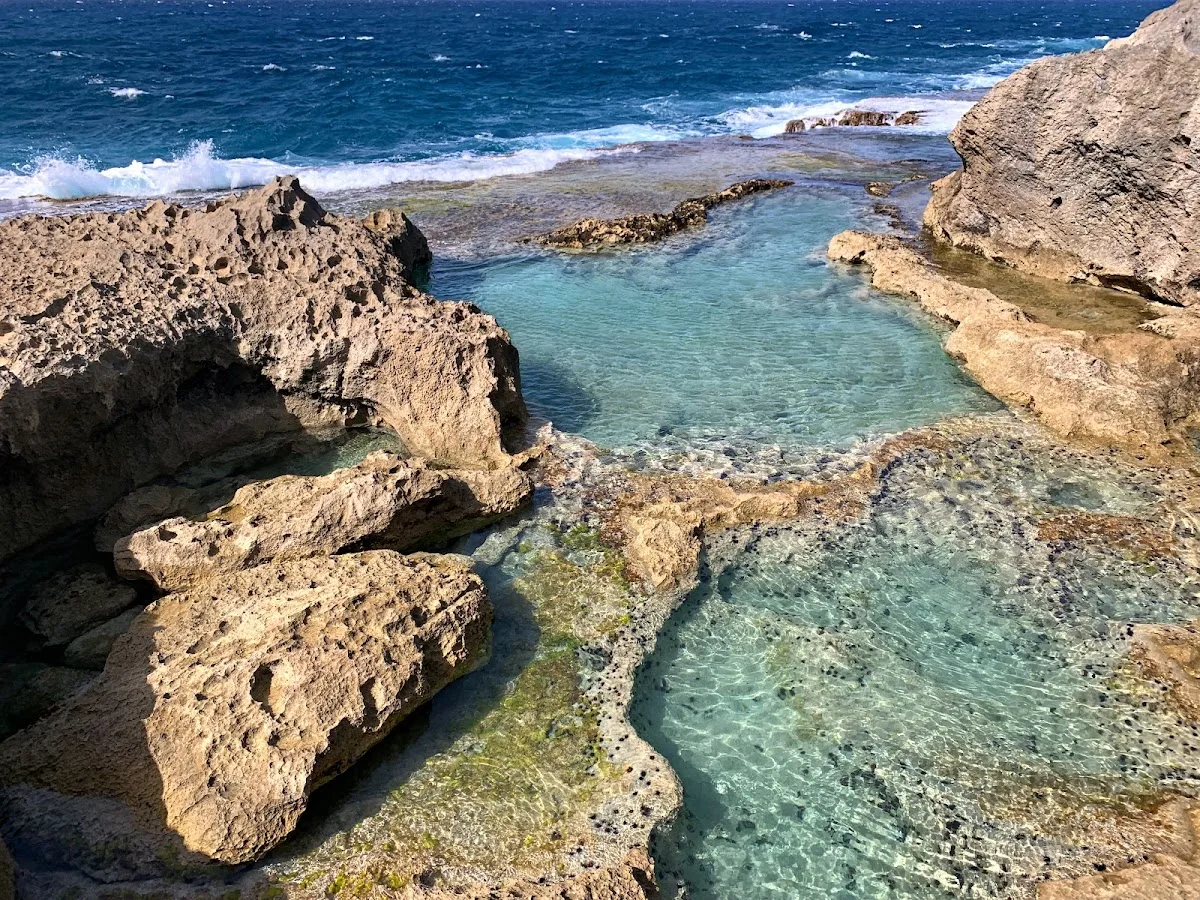
A series of rock-formed tidal pools carved into the limestone coastline near Las Palmas Beach in Manati. Reaching them requires a 10-minute hike over sharp rock formations; sturdy closed-toe shoes are essential. The pools range from 2 to 5 feet deep and offer excellent snorkeling opportunities. This secluded destination is best visited at low tide and filters out casual visitors, keeping the area uncrowded and pristine.
Visitor Tips
- Closed-toe shoes with good grip are absolutely essential. The rock formations are sharp and slippery. Sandals and flip-flops are dangerous here.
- Visit at low tide when the pools are most accessible and the water is clearest. High tide submerges several pools and makes the rocks treacherous.
- Never turn your back to the ocean while on the rocks. Rogue waves can sweep across the formations without warning, especially during swells.
- The rock formations photograph dramatically at sunset. A wide-angle lens captures the full scope of the limestone channels and pools.
- Bring a snorkel mask to peek into the deeper pools. Small fish, sea urchins, and anemones are visible in the clear tidal water.
Best Time to Visit
The best time to visit Natural Pools of Manati depends on weather, water conditions, and tide levels. Plan your visit strategically to maximize safety and experience.
- Dry Season (January–April): Most reliable weather, lower ocean swells, calmer pools, and clearest water. Ideal time to visit.
- Summer (June–August): Calmer seas and warmer water, but afternoon thunderstorms are common. Fewer crowds but less predictable conditions.
- Winter (December–March): Larger north Atlantic swells create dynamic but potentially dangerous conditions. Rocks become treacherous, and waves crash further inland.
- Tide Timing: Always visit at low tide, ideally two hours before the lowest point. High tide submerges several pools and makes rocks extremely slippery and hazardous.
- Time of Day: Morning visits offer cooler hiking temperatures across the rocks and better visibility for snorkeling.
- Crowds: Due to its secluded nature, this beach rarely experiences significant crowding, even on weekends and holidays.
What to Bring
Since Natural Pools of Manati is a remote, undeveloped site with no amenities, comprehensive packing is essential for comfort and safety.
- Footwear & Protection: Closed-toe shoes with excellent grip are absolutely essential—sandals and flip-flops are dangerous on sharp limestone. Bring a first aid kit for cuts and scrapes.
- Sun & Hydration: Reef-safe sunscreen (SPF 30 or higher), a wide-brimmed hat, and UV-protective sunglasses. Bring a large reusable water bottle and drink frequently, as Puerto Rico's tropical sun is intense between 10 AM and 2 PM.
- Shade & Comfort: A portable beach umbrella or pop-up shade tent is highly recommended, as natural shade is limited on the exposed rock shelf. Quick-dry clothing is practical after snorkeling.
- Snorkeling Gear: Snorkel mask, snorkel, and fins to explore the pools and marine life. An underwater camera is optional but rewarding for capturing coral and fish.
- Food & Beverages: There are no food vendors at or near this beach. Pack your own meals, snacks, and plenty of water in a cooler. Fresh fruit, sandwiches, and energy bars travel well.
- Photography: A camera with extra battery, a tripod for sunset shots, and binoculars for coastal views and wildlife observation.
History & Background
The Natural Pools of Manati are located in the municipality of Manati on Puerto Rico's north coast, where the Atlantic Ocean meets a dramatic karst limestone shoreline. This region experiences consistent trade winds and higher wave energy than the southern coast, with winter months bringing larger swells from the north Atlantic.
The pools themselves are naturally carved rock formations ranging from 2 to 5 feet deep, each with its own character and micro-ecosystem of marine life. The limestone coastline has been shaped by centuries of wave erosion, creating dramatic rock arches, overhangs, and channels that surround the pool formations. Reaching the pools requires a 10-minute trek over sharp, uneven rock formations, an adventurous element that filters out casual visitors and preserves the area's secluded character.
The municipality of Manati has deep roots in Puerto Rico's history, and beaches like Natural Pools of Manati reflect the ongoing relationship between coastal communities and the sea. Whether visited by local families on weekends or travelers discovering the area for the first time, this stretch of shoreline carries the character of its surroundings.
Nearby Attractions
Natural Pools of Manati is situated in the municipality of Manati, which offers several attractions and dining options beyond the beach itself. The area provides opportunities to experience local Puerto Rican culture and explore additional coastal destinations.
- Local Dining: Look for local restaurants and roadside kiosks (chinchorros) serving traditional Puerto Rican fare including fresh seafood, mofongo (mashed plantain with garlic), and tostones (fried plantain slices). Informal food stalls often appear on weekends selling empanadillas, bacalaítos (codfish fritters), and piraguas (shaved ice with fruit syrup) at affordable prices. Ask locals for their favorite spot—the best food is often at the least conspicuous establishments.
- Nearby Beaches: Other beaches in the Manati area include Playa La Esperanza (Tierras Nuevas), Poza de las Mujeres (Manatí), and Pozita de los Tubos, each with a different character worth exploring if you have time for beach hopping.
- Manati Town Center: The central plaza typically features a church, local shops, and cafes—a good place to experience everyday Puerto Rican town life. Many towns hold weekend markets or festivals throughout the year, particularly during patron saint celebrations (fiestas patronales) which feature live music, food, and cultural performances.
Local Tips
- Never turn your back to the ocean. Rogue waves can sweep across the rock formations without warning, especially during swells. Always maintain awareness of wave patterns and keep one eye on the horizon.
- Photograph at sunset. The rock formations photograph dramatically during golden hour. A wide-angle lens captures the full scope of the limestone channels and pools and creates stunning compositions.
- Bring a snorkel mask to explore. Peek into the deeper pools to observe small fish, sea urchins, and anemones living in the clear tidal water. Respect the marine life and avoid touching coral or organisms.
- Know your beach rights. As with all Puerto Rico beaches, the beach zone up to the high-tide mark is public land by law, regardless of any adjacent private property or signage suggesting otherwise. You have the legal right to access and enjoy any beach in Puerto Rico.
- Leave no trace. Pack out all trash and leave the beach as you found it. Puerto Rico's coastal ecosystems are under pressure from development and climate change, and responsible visitors make a real difference.
- Protect sea turtles. Between April and November, sea turtles may nest on sandy beaches. If you spot a nest or hatchlings, keep your distance and report it to the DRNA (Department of Natural Resources).
- Practice reef-safe snorkeling. When snorkeling, avoid touching or standing on coral formations, as they are fragile and legally protected under both federal and Puerto Rico law. Maintain neutral buoyancy and keep your fins from scraping the bottom.
- Learn basic Spanish phrases. Spanish is the primary language in most areas outside San Juan's tourist zones. Learning phrases like '¿Dónde está la playa?' (Where is the beach?) and 'Gracias' (Thank you) goes a long way with locals. Puerto Ricans are generally warm and helpful toward visitors who show respect for the culture and environment.
Frequently Asked Questions
Where is Natural Pools of Manati located?
Is Natural Pools of Manati good for swimming?
What facilities are available at Natural Pools of Manati?
Find beaches with: With Parking
What activities can I do at Natural Pools of Manati?
Is there parking at Natural Pools of Manati?
What is the best time to visit Natural Pools of Manati?
Amenities
Practical Info
This is a rugged natural site with no lifeguards, handrails, or maintained paths. The sharp limestone can cause serious cuts if you fall. Rogue waves are a real hazard on the exposed rock shelf. Never visit during high surf advisories. Bring a first aid kit and tell someone your plans before going.
Planning Your Visit
Similar Beaches


Nearby Beaches


Explore by Activity
Discover More on Puerto Rico Beach Finder
Explore 460+ beaches across the island with filters, maps, and detailed guides.
Explore All Beaches