Playa La Pollera Cabo Rojo, Puerto Rico
At a Glance
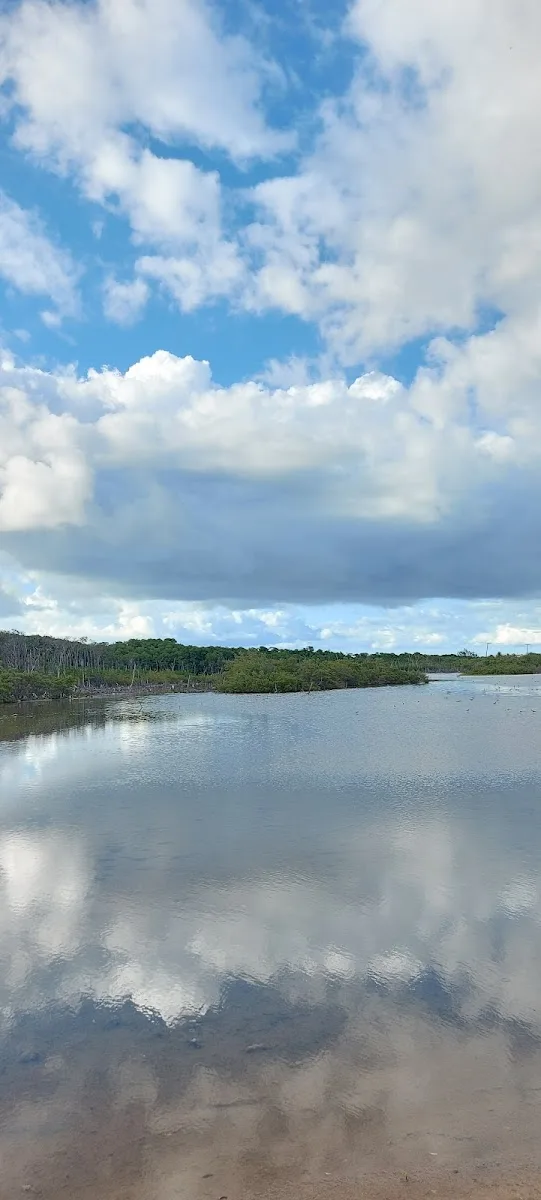
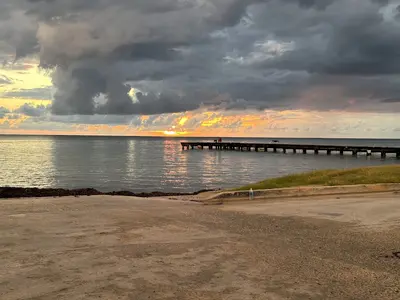
Playa La Pollera is a secluded beach in Cabo Rojo, Puerto Rico, known for calm waters and scenic views. A secluded, lesser-known beach along Cabo Rojo's southwestern coastline, favored by locals seeking a quiet escape from more popular shores. Facilities include parking.
About Playa La Pollera
A secluded, lesser-known beach along Cabo Rojo's southwestern coastline, favored by locals seeking a quiet escape from more popular shores. The completely undeveloped setting preserves the natural character of this off-the-beaten-path destination, with calm Caribbean waters ideal for swimming. Native vegetation meets pristine sand with no structures in sight. Best reached with local guidance or precise GPS coordinates.
Visitor Tips
- Bring all supplies including water, shade, and food. There is nothing available at or near this beach.
- Ask locals for directions to the access point. GPS may lead you down wrong roads. Limited roadside pulloff only.
- No cell service in some spots along the route. Travel with a companion and let someone know your plans.
- The Caribbean side stays calm most of the year, but the best beach days are during the dry season from January to April.
Best Time to Visit
The south-facing Caribbean orientation keeps waters calm year-round. This beach sees so few visitors that timing matters less for crowd avoidance and more for weather comfort and water conditions.
- Dry Season (January–April): Most pleasant weather with lower humidity, less rain, and clearest skies. Mornings are cooler before the midday sun intensifies. Spectacular sunsets are especially vivid during this period.
- Summer Months (May–September): Calmer waters better suited for swimming and snorkeling, though higher humidity and occasional rain occur.
- Fall and Winter Swells (October–April): The west coast receives north swells, though this beach's south-facing orientation maintains relatively calm conditions year-round.
What to Bring
Pack all supplies you will need, as amenities are unavailable at or near this beach. Here is what to consider bringing:
- Sun Protection: Reef-safe sunscreen (SPF 30 or higher), a wide-brimmed hat, and sunglasses. Puerto Rico's tropical sun is intense, especially between 10 AM and 2 PM.
- Hydration and Nutrition: A reusable water bottle, plenty of drinking water in a cooler, meals, snacks, and any beverages you wish to enjoy. There are no food vendors at this beach.
- Shade: A portable beach umbrella or pop-up shade tent is highly recommended, as natural shade may be limited.
- Swimming and Beach Gear: Swimwear, a float or inflatable for lounging on calm waters, and snorkeling gear if desired.
- Safety and First Aid: A first aid kit, any personal medications, and supplies for treating minor cuts or stings.
- Photography and Entertainment: A camera with extra battery, a tripod for sunset shots, binoculars for coastal views, and books or other entertainment if you plan an extended stay.
- Essentials: Appropriate footwear for the moderate hike to the beach, a trash bag to pack out all waste, and a companion for safety.
History & Background
Playa La Pollera is located in Cabo Rojo, Puerto Rico's southwestern municipality famous for salt flats, the Los Morrillos Lighthouse, and spectacular sunsets. On the southwestern tip of Puerto Rico, this area faces the Caribbean Sea with calm conditions and warm waters. The dry climate creates a landscape distinct from the rest of the island, with salt flats and scrubland meeting the shore.
A secluded, lesser-known beach favored by locals seeking a quiet escape from more popular nearby shores, Playa La Pollera maintains an undeveloped setting that reflects its off-the-beaten-path character. Tucked along Cabo Rojo's less-traveled coastline, this beach requires local knowledge or precise GPS coordinates to find, keeping visitor numbers consistently low. The completely undeveloped setting preserves the natural character of Cabo Rojo's southwest coast, with native vegetation growing right up to the sand and no structures in sight.
The municipality of Cabo Rojo has deep roots in Puerto Rico's history, and beaches like this reflect the ongoing relationship between coastal communities and the sea. Whether visited by local families on weekends or travelers discovering the area for the first time, this stretch of shoreline carries the authentic character of its surroundings.
Nearby Attractions
Playa La Pollera is situated in Cabo Rojo, which offers several attractions and experiences beyond the beach itself. The area is known for its unique coastal character and local culture.
- Los Morrillos Lighthouse and Cabo Rojo Salt Flats: One of the area's main draws, these are well worth a visit if you have extra time.
- Other Nearby Beaches: Pitahaya, Playa Buye, and Playuela Beach, each with a different character worth exploring if you have time for beach hopping.
- Cabo Rojo Town Center: Features a central plaza with a church, local shops, and cafes—a good place to experience everyday Puerto Rican town life.
- Local Dining: Look for local restaurants and roadside kiosks (chinchorros) serving traditional Puerto Rican fare, including fresh seafood, mofongo (mashed plantain with garlic), tostones (fried plantain slices), empanadillas, bacalaítos (codfish fritters), and piraguas (shaved ice with fruit syrup). The best food is often at the least conspicuous establishments; ask locals for their favorite spot.
- Weekend Markets and Festivals: Many towns hold weekend markets or festivals throughout the year, particularly during patron saint celebrations (fiestas patronales) which feature live music, food, and cultural performances.
- Lajas: The neighboring area of Lajas is also worth exploring and is a short drive away.
Local Tips
- Limited Cell Service: No cell service in some spots along the route. Travel with a companion and let someone know your plans before departing.
- Beach Access Rights: As with all Puerto Rico beaches, the beach zone up to the high-tide mark is public land by law, regardless of any adjacent private property or signage suggesting otherwise. You have the legal right to access and enjoy any beach in Puerto Rico.
- Environmental Responsibility: Pack out all trash and leave the beach as you found it. Puerto Rico's coastal ecosystems are under pressure from development and climate change, and responsible visitors make a real difference. Between April and November, sea turtles may nest on sandy beaches; if you spot a nest or hatchlings, keep your distance and report it to the DRNA (Department of Natural Resources).
- Ocean Safety: While the calm waters here are generally safe, ocean conditions can change quickly. Keep an eye on weather forecasts and be aware that even sheltered areas can develop currents after storms or during unusual tidal patterns.
- Language and Local Respect: Spanish is the primary language in most areas outside San Juan's tourist zones. Learning a few phrases like '¿Dónde está la playa?' (Where is the beach?) and 'Gracias' (Thank you) goes a long way with locals. Puerto Ricans are generally warm and helpful toward visitors who show respect for the culture and environment.
Frequently Asked Questions
Where is Playa La Pollera located?
Is Playa La Pollera good for swimming?
What facilities are available at Playa La Pollera?
Find beaches with: With Parking
What activities can I do at Playa La Pollera?
More beaches for: Calm Waters, Scenic
Is there parking at Playa La Pollera?
What is the best time to visit Playa La Pollera?
Amenities
Practical Info
No lifeguard, no facilities, and potentially limited cell service. The water is generally calm with a sandy bottom, but always assess conditions before entering. Bring a first aid kit and plenty of water. Travel with at least one companion.
Planning Your Visit
Similar Beaches


Nearby Beaches

Explore by Activity
Discover More on Puerto Rico Beach Finder
Explore 460+ beaches across the island with filters, maps, and detailed guides.
Explore All Beaches