Caja de Muertos Beach Ponce, Puerto Rico
At a Glance
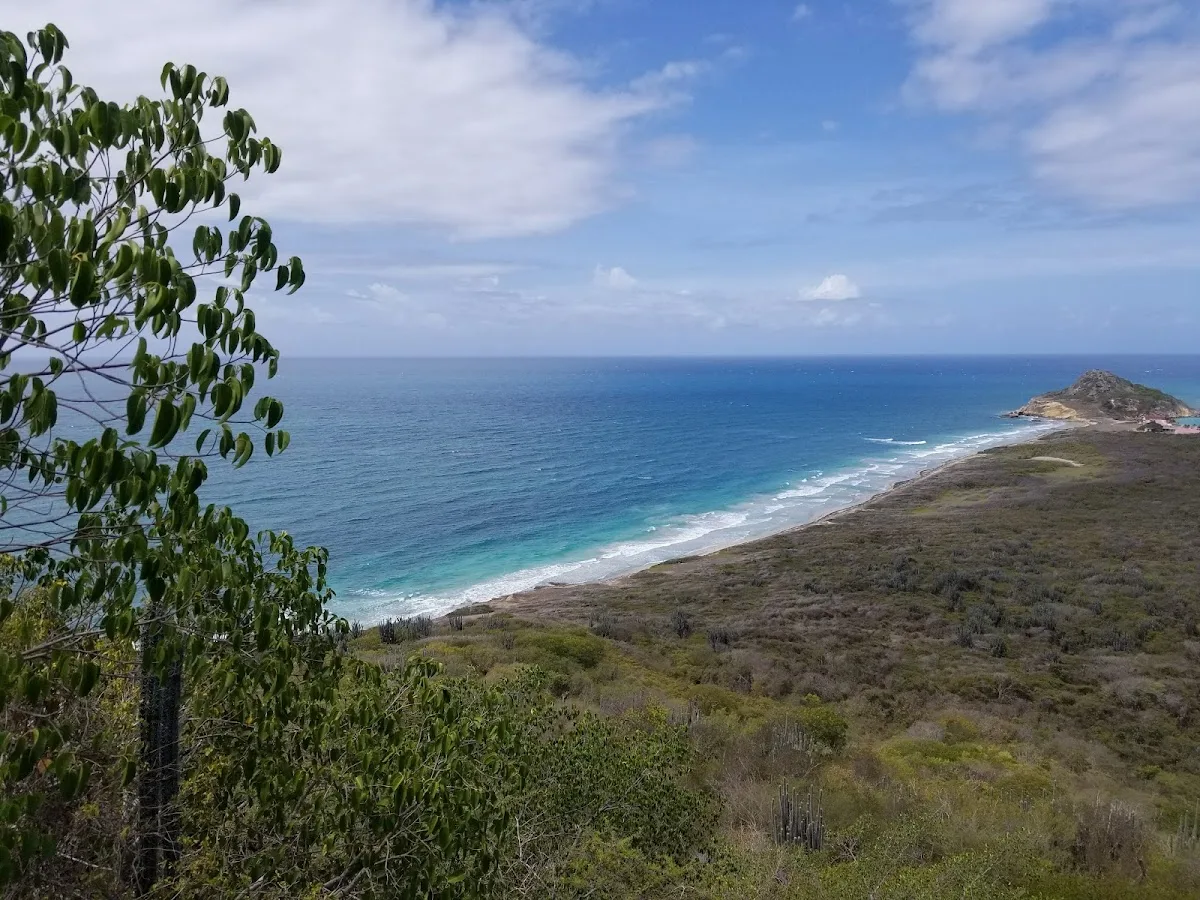
Caja de Muertos Beach is a secluded beach in Ponce, Puerto Rico, known for calm waters and scenic views. The pristine main beach on uninhabited Caja de Muertos island, a protected nature reserve five miles off Ponce's coast. Facilities include parking, restrooms.
About Caja de Muertos Beach
The pristine main beach on uninhabited Caja de Muertos island, a protected nature reserve five miles off Ponce's coast. Pelicano Beach earned a prestigious Blue Flag Award for its water quality and environmental management. Explore calm waters ideal for swimming and snorkeling, hike to the historic 1887 lighthouse, and spot seabirds and sea turtles. Accessible by ferry from La Guancha boardwalk on weekends and holidays.
Visitor Tips
- Ferries run weekends and holidays only; book early as they sell out during peak season
- Bring all food, water, and snorkel gear — the island has no shops or vendors
- Ferry tickets cost around $25-35 per person round trip; cash is usually required
- Shade is limited on the island — bring a hat, strong sunscreen, and plenty of water
- Pack out all your trash; as a nature reserve, there is a strict carry-in carry-out policy
Best Time to Visit
The dry season from December through April provides the best conditions for visiting Caja de Muertos. Calm seas make the ferry crossing more comfortable, and water visibility for snorkeling is typically at its peak. January through March offers the most reliable weather, with lower humidity and consistent sunshine.
- December–April (Dry Season): Best overall conditions with calm seas, excellent snorkeling visibility, and comfortable ferry crossings.
- January–March: Peak reliability with lower humidity, consistent sunshine, and moderate crowds outside major holidays.
- June–November (Hurricane Season): Avoid if possible; risk of cancellations, rough seas, and reduced underwater visibility from tropical waves.
- July–August: Hottest months with limited shade; consider these for off-season pricing if weather cooperates.
- Holiday Weekends: Semana Santa, Fourth of July, and Christmas through Three Kings Day attract large crowds; arrive early or choose non-holiday weekends for quieter experience.
Ferry service operates primarily on weekends and holidays, with some weekday trips during peak tourist season. Confirm schedules in advance, as departures depend on weather conditions and minimum passenger counts.
What to Bring
Snorkeling Essentials:
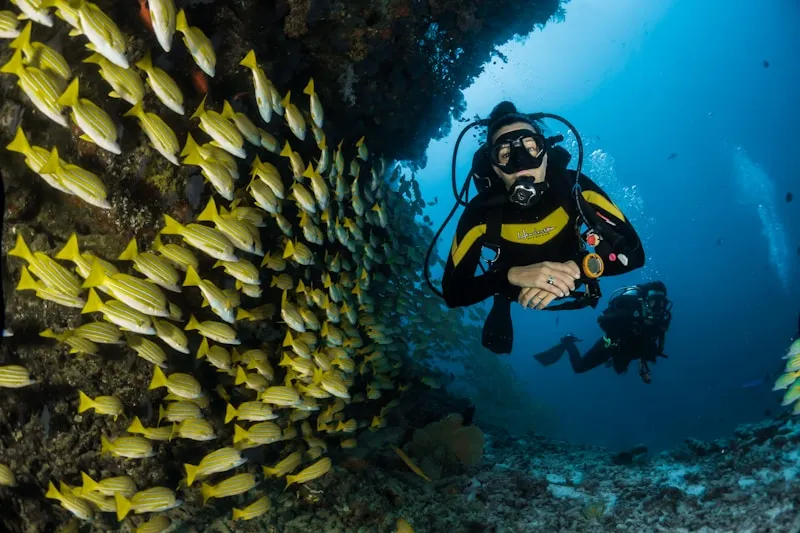
- Mask, snorkel, and fins: Bring your own for the best experience; reef structures support healthy coral cover, sponges, and diverse fish populations including angelfish, trumpetfish, barracuda, and wrasses. Some ferry operators include basic gear in their packages—ask when booking.
- Dry bag: Protects valuables during boat transfers, which may involve wading through shallow water.
Sun and Hydration:
- Rashguard and wide-brimmed hat: The beach faces northwest and receives direct sun from mid-morning onward.
- Reef-safe sunscreen: Essential for extended time in the sun.
- At least three liters of water per person: There is no potable water source on the island; dehydration escalates quickly on a shadeless Caribbean island.
Food and Supplies:
- Lunch and snacks in a soft cooler: No food is sold on the island. Some ferry operators include lunch—confirm before relying on it.
- Reef-safe insect repellent: Useful on hiking trails where sand flies and mosquitoes can be persistent, particularly near vegetation.
History & Background
Caja de Muertos, translated as Coffin Island, is an uninhabited nature reserve approximately five nautical miles south of Ponce. The island's name is believed to derive from its profile when viewed from certain angles, resembling a coffin lying flat on the water. An alternative theory credits the name to a Portuguese sailor named Jose Almeida whose remains were allegedly found on the island in the early colonial period.
The island encompasses roughly 400 acres of dry coastal forest and sandy beaches, with Pelicano Beach being the largest and most accessible on the northwest side. Spanish colonial authorities constructed a lighthouse in 1887 on Cerro Morrillo, designed by the Spanish Corps of Engineers. This 50-foot cylindrical masonry tower served as a critical aid for maritime navigation and was listed on the National Register of Historic Places in 1981.
In 1980, Caja de Muertos was designated a Nature Reserve by the Puerto Rico Department of Natural and Environmental Resources. The island supports dry subtropical forest habitat, nesting colonies of seabirds including brown boobies and bridled terns, and critical nesting beaches for hawksbill sea turtles. Pelicano Beach received Blue Flag certification, an international eco-label awarded to beaches meeting strict standards for water quality, environmental management, and safety.
Nearby Attractions
La Guancha boardwalk, where the Caja de Muertos ferries depart, is a destination in its own right. The boardwalk stretches along the Ponce waterfront and comes alive on weekend evenings with food kiosks selling alcapurrias, bacalaitos, pinchos, and other Puerto Rican street food. Live music and salsa dancing are common on Friday and Saturday nights.
- La Guancha Observation Tower: A small tower at the far end offers views toward Caja de Muertos on clear days.
- Museo de Arte de Ponce: Houses a world-class collection including European and Caribbean works, anchored by a Frederic Leighton painting.
- Parque de Bombas: The iconic red-and-black-striped former firehouse on the main plaza serves as a museum and is one of Puerto Rico's most photographed buildings.
- Castillo Serralles: A 1930s Spanish Revival mansion built by the Serralles rum family, located on a hillside with panoramic views of Ponce and the Caribbean coast; offers house and grounds tours.
- Cruceta del Vigia: An observation cross below the castle providing additional viewpoints and panoramic vistas.
- Ponce Restaurant Scene: Longstanding establishments serving traditional criollo cuisine alongside newer spots in the revitalized downtown.
Local Tips
- Lighthouse Hike: The hiking trail to the Caja de Muertos lighthouse takes about 45 minutes each way and climbs roughly 300 feet through dry scrub forest. The trail is exposed with almost no shade—attempt it early in the day. Bring extra water. The views from the 1887 lighthouse offer a 360-degree panorama of the Caribbean Sea, the southern Puerto Rico coast, and on exceptionally clear days, the Dominican Republic outline to the west.
- Best Snorkeling Spots: Snorkeling is best on the western and northwestern sides of Pelicano Beach, where reef structures begin in relatively shallow water. Swim out from the left end of the beach (facing the water) and follow the reef line. Stay aware of boat traffic, as private vessels anchor close to the reef.
- Payment and Logistics: Bring cash for ferry operators and tips; card payment is sometimes accepted for reservations but not always available dockside. Arrive at La Guancha at least 30 minutes before scheduled departure to check in and secure your spot.
- Environmental Protection: Do not collect shells, coral, or any natural materials from the island—it is illegal and carries fines. Stay on marked trails to avoid disturbing nesting bird colonies and turtle nesting sites. Rangers take these protections seriously. Pack out everything you carried in, including food scraps, and leave the island cleaner than you found it.
Frequently Asked Questions
Where is Caja de Muertos Beach located?
Is Caja de Muertos Beach good for swimming?
What facilities are available at Caja de Muertos Beach?
Find beaches with: With Parking, With Restrooms
What activities can I do at Caja de Muertos Beach?
More beaches for: Calm Waters, Scenic
Is there parking at Caja de Muertos Beach?
What is the best time to visit Caja de Muertos Beach?
Amenities
Practical Info
Bring significantly more water than you think you need because the island has no potable water source and no shade structures beyond a few trees. Sun exposure is intense on the open beach throughout the day. Snorkeling is generally safe in the calm south-facing bay, but avoid drifting far from shore where boat traffic passes. Watch for sea urchins in the rocky sections near the reef edge.
Planning Your Visit
Similar Beaches


Nearby Beaches


Explore by Activity
Discover More on Puerto Rico Beach Finder
Explore 460+ beaches across the island with filters, maps, and detailed guides.
Explore All Beaches