What makes a beach "hidden" in Puerto Rico? ▼
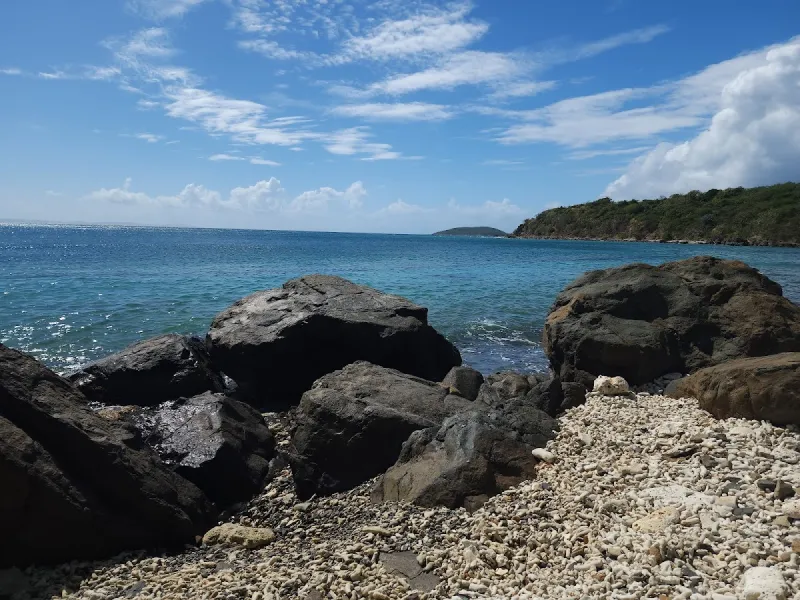
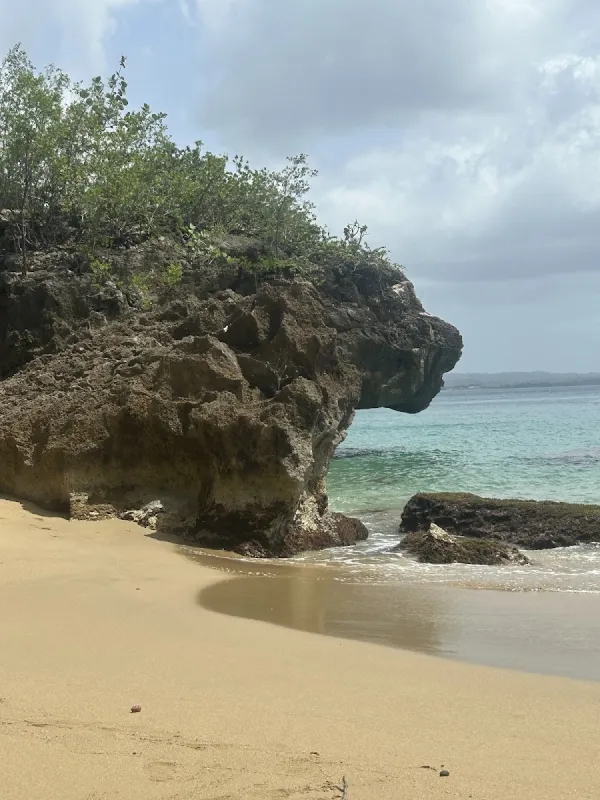
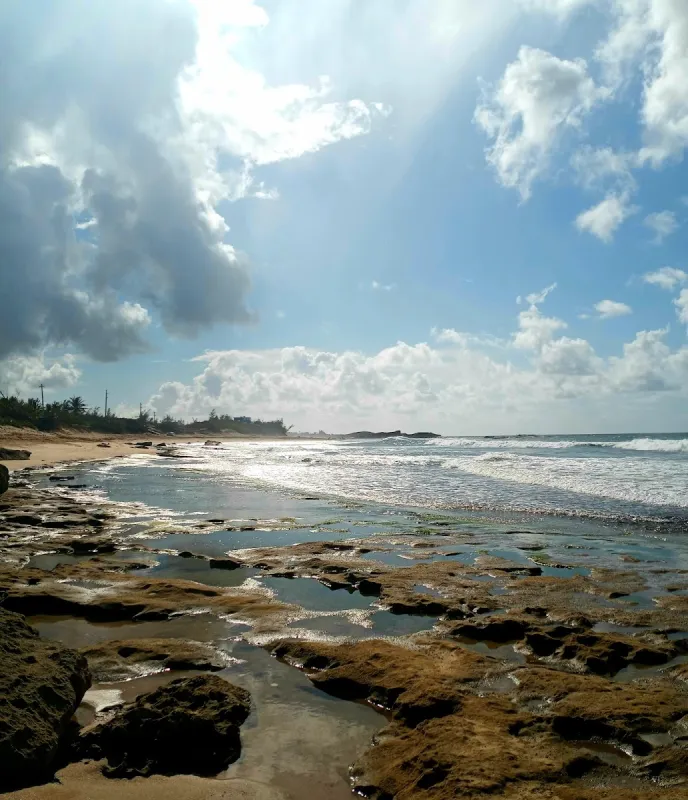
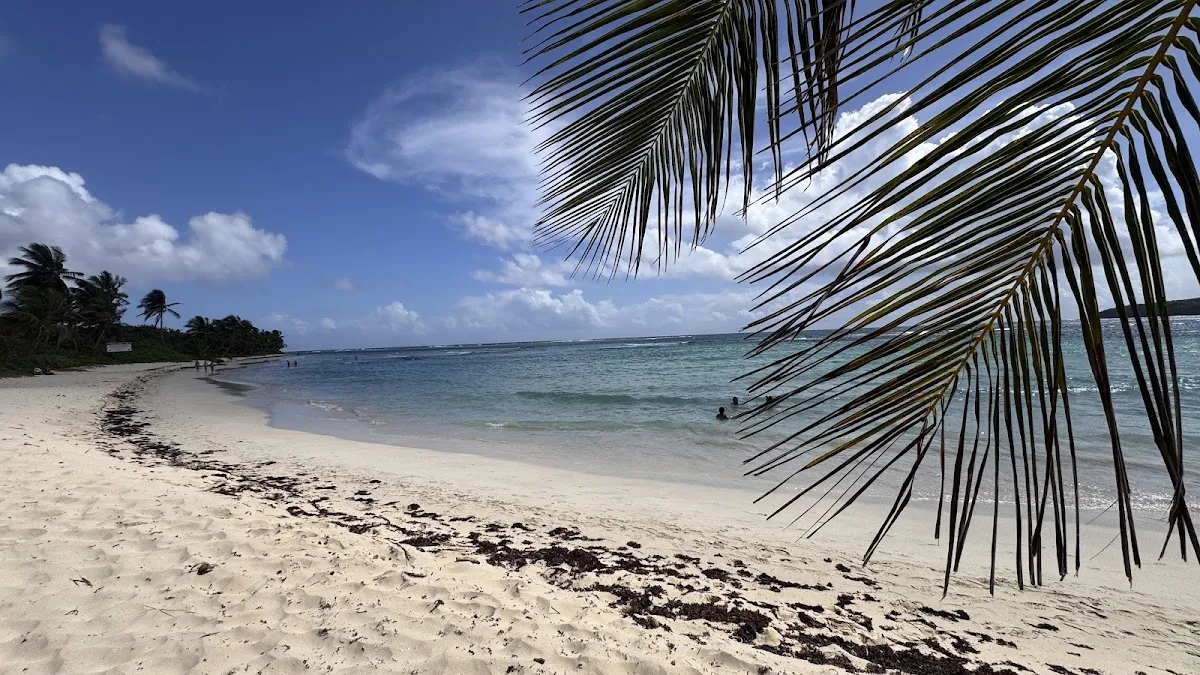
A hidden beach in Puerto Rico typically has limited accessibility (requiring boat access, hiking, or 4WD vehicles), few or no facilities, low visitor numbers, and minimal commercial development. Many hidden beaches have fewer than 200 Google reviews, indicating they remain relatively unknown to tourists. These secluded spots offer pristine natural beauty and a more authentic, crowd-free beach experience.
Do I need a 4WD vehicle to reach hidden beaches? ▼
Some hidden beaches require 4WD vehicles due to rough, unpaved roads with potholes and steep inclines. Beaches like Playa Resaca in Culebra and certain spots in Vieques are best accessed with high-clearance vehicles. However, many secret beaches can be reached by boat, kayak, or short hikes. Always check access requirements before visiting and consider renting a 4WD SUV if planning to explore multiple remote beaches.
Are hidden beaches safe to visit? ▼
Hidden beaches typically lack lifeguards, facilities, and emergency services, so visitors must be self-sufficient and take extra safety precautions. Always check weather conditions before visiting, bring plenty of water and supplies, inform someone of your plans, avoid swimming alone in rough conditions, and be prepared for limited or no cell phone service. These beaches are safe for experienced beachgoers who respect the ocean and come prepared.
Can I camp at hidden beaches in Puerto Rico? ▼
Camping is generally prohibited on most Puerto Rico beaches without permits. However, some areas like Culebra and Vieques have designated camping areas near beaches. Always check local regulations before planning to camp. For true remote beach camping experiences, consider booking official campsites at Flamenco Beach in Culebra or through the US Fish and Wildlife Service for certain Vieques beaches.
What should I bring to a beach with no facilities? ▼
For hidden beaches without facilities, bring: plenty of drinking water (1 gallon per person), snacks and food, sunscreen and sun protection, first aid kit, trash bags (pack out everything), toilet paper and trowel, snorkeling gear if applicable, waterproof phone case, portable phone charger, cash for parking or boat operators, and a dry bag for valuables. Also bring reef-safe sunscreen to protect coral ecosystems.
How do I find hidden beaches in Puerto Rico? ▼
To discover hidden beaches: research online beach databases and local forums, ask locals at nearby beaches or towns, explore coastal roads and look for unmarked beach access points, use satellite maps to identify secluded coves, hire local guides who know secret spots, visit smaller islands like Culebra and Vieques, and explore beaches with low Google review counts. Always respect private property and follow Leave No Trace principles.
What is the best time to visit hidden beaches? ▼
The best time to visit hidden beaches in Puerto Rico is during the dry season from December to April when seas are calmer and weather is more predictable. For the absolute best experience, visit on weekdays during off-peak hours (early morning or late afternoon) to avoid crowds. Check tides and weather forecasts before visiting remote locations, and avoid hurricane season (June-November) for boat-access beaches.
Are there hidden beaches accessible without a boat? ▼
Yes, many hidden beaches are accessible by foot or car without requiring boat transport. Examples include Wilderness Beach in Aguadilla (short walk), Pastillo Beach in Isabela (roadside access), Guaniquilla Reserve Shore in Cabo Rojo (walking trail), and various secluded coves in Vieques accessible by rental car. These beaches remain "hidden" due to limited signage, rough access roads, or being overshadowed by more famous nearby beaches.